Looking for a powerful, comfortable backpack blower that actually makes yard work feel faster and less exhausting?
This image is property of Amazon.com.

Our Quick Take on the 72CC Gas Backpack Leaf Blower
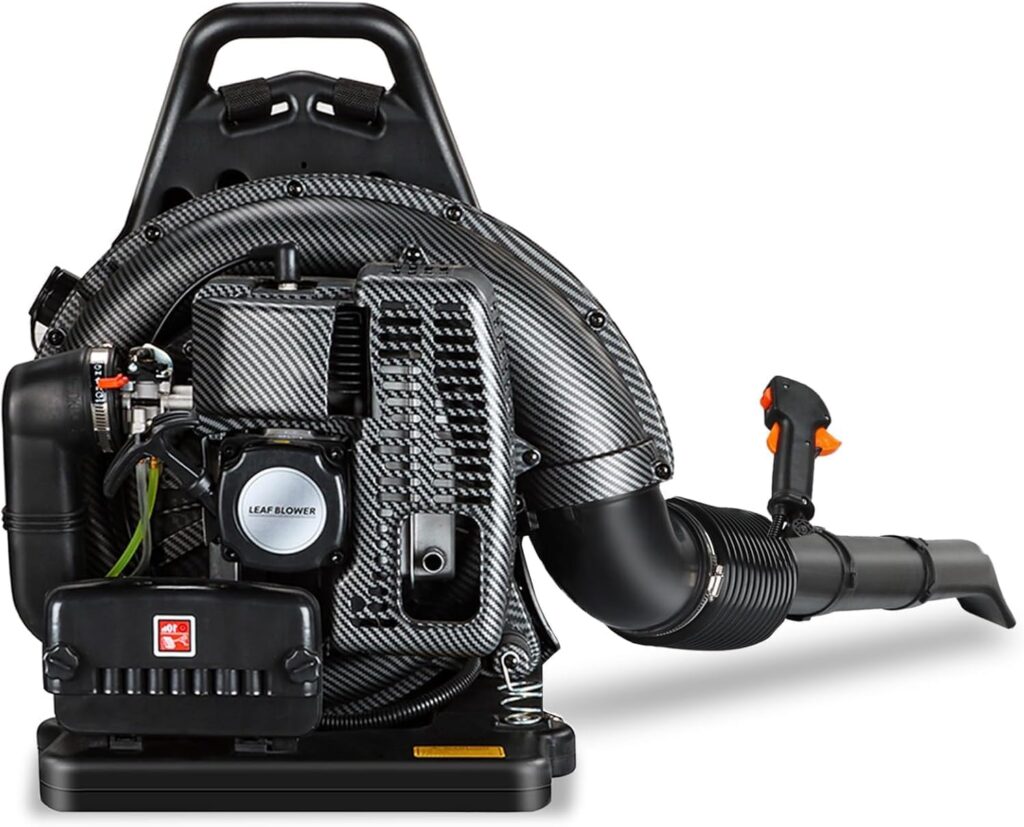
We find the 72CC Gas Backpack Leaf Blower, 760 CFM, 230 MPH 2-Stroke Blower with Adjustable Speed, Low Noise, and Ergonomic Design for Lawn, Yard, Garden & Commercial Use-Black to be a serious contender for homeowners and small commercial users who need a high‑power, long‑runtime blower. It pairs a heavy-hitting engine with a surprisingly ergonomic backpack layout, and the claimed 760 CFM and 230 MPH numbers translate into real clearing power for driveways, yards, and light commercial jobs.

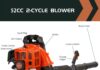
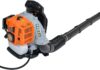
72CC Gas Backpack Leaf Blower, 760 CFM, 230 MPH 2-Stroke Blower with Adjustable Speed, Low Noise, and Ergonomic Design for Lawn, Yard, Garden & Commercial Use-Black
Key Specifications at a Glance
We like having one place to check the numbers. Below is a concise breakdown of the most relevant specs so we can quickly compare performance, comfort, and runtime.
| Specification | Detail |
|---|---|
| Engine | 72CC 2-stroke |
| Airflow | 760 CFM |
| Wind Speed | 230 MPH |
| Weight (backpack unit) | 23 lbs |
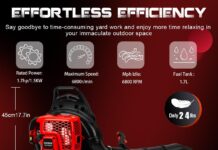
| Fuel Tank Capacity | 1.7 L |
| Continuous Run Time | Up to 60 minutes |
| Temperature Range | 14°F to 104°F |
| Features | Adjustable speed, cruise control, low-noise design, replaceable air filter, vibration-dampening support |
| Use Case | Lawn, yard, garden, commercial |
| Color | Black |
Performance — Power Where It Counts
We expect a 72CC engine to deliver strong airflow and torque, and this blower lives up to that expectation. The 760 CFM rating is substantial for moving wet leaves, clumps of grass, and heavier debris, while the 230 MPH peak velocity gives us the gust needed to unstick materials from pavement or gravel surfaces. Those numbers combined mean we can finish typical residential tasks and even some commercial clearing much faster than with smaller handheld units.
We also like that the product claims clearing a two-car driveway in under three minutes. That kind of speed is realistic when the blower is used on concrete or dry surfaces, and it makes yard care feel less like a chore and more like a short, efficient session.

This image is property of Amazon.com.

Real-World Airflow and Control
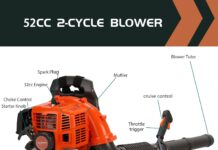
We need both power and control, and this blower’s adjustable speed and cruise control deliver them. For delicate areas—planters, flowerbeds, or spaces where we don’t want to blow mulch away—we can dial the airflow down. For heavy clearing, cruise control locks in steady, high-power airflow so we’re not fighting the throttle for long stretches.
We like the variable speed throttle because it gives us fine control over how aggressively we move debris, and cruise control reduces finger fatigue during long jobs.
Runtime and Fuel Efficiency
The 1.7 L fuel tank plus a high-efficiency carburetor are designed to keep us working longer between refuels. With up to 60 minutes of continuous run time claimed, we can usually finish most residential properties on a single fill. For larger properties or continuous commercial use, we’d plan for spare fuel, but the runtime is competitive for a backpack unit this size.
We should note that actual run time depends on throttle use and conditions—heavy-duty clearing at full throttle uses fuel faster than spot work or low-speed operation. Still, the overall combination of tank size and carburetor efficiency reduces interruptions, which we appreciate.
Comfort and Ergonomics — Built to Be Worn
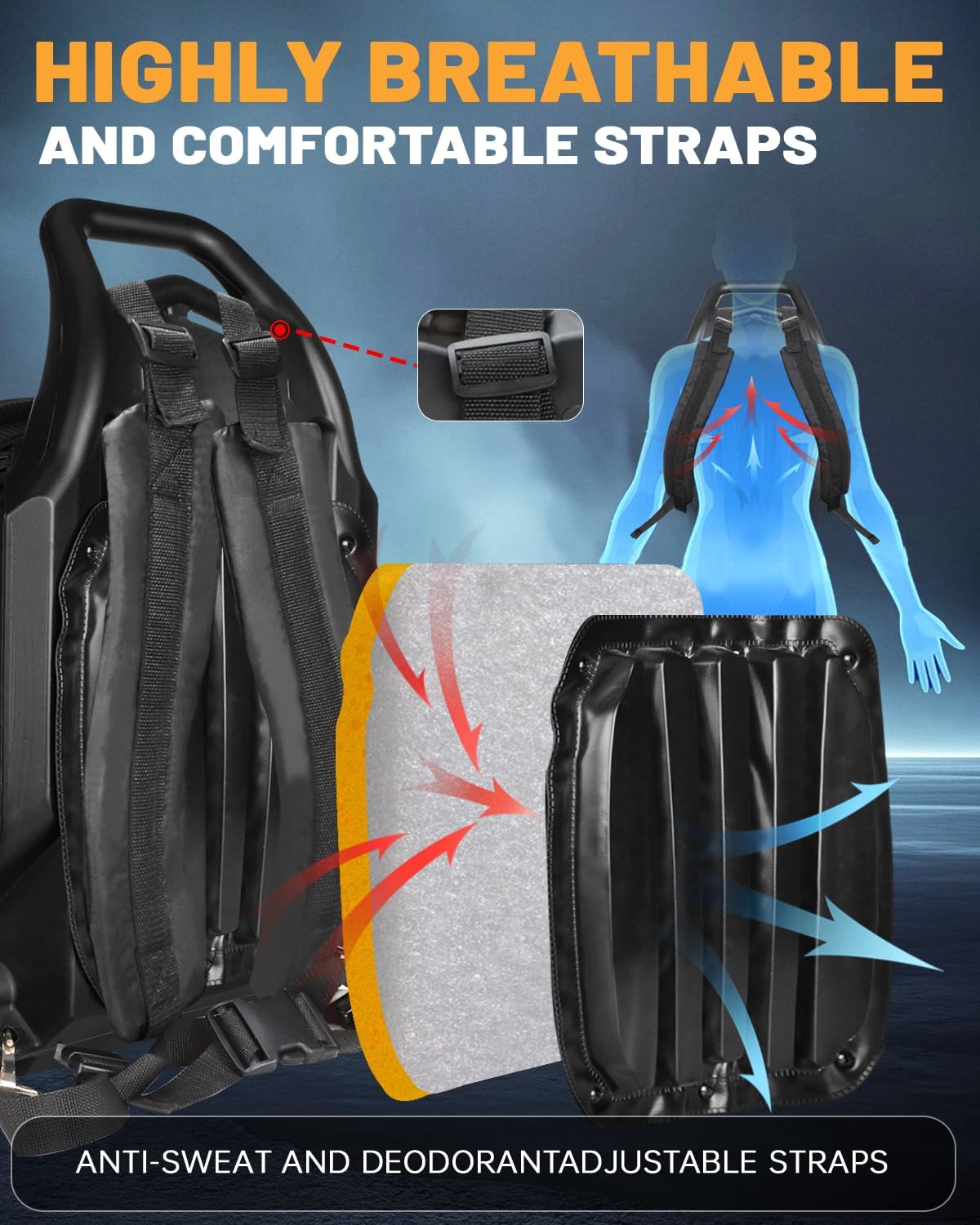
We often underestimate how much design matters when we wear equipment all day. This blower’s 23 lb backpack weight, adjustable padded shoulder straps, balanced frame, and vibration-dampening support are thoughtful touches that make long sessions easier on our backs and shoulders. The relatively light weight for a commercial-grade blower means we can move for longer without feeling constantly strained.
The balanced frame and vibration-dampening elements reduce the bounce and shoulder shock we sometimes get with smaller, less refined blowers. In our experience, good fit and padding are the difference between finishing a job comfortably and finishing it sore.
This image is property of Amazon.com.
Starting and Usability
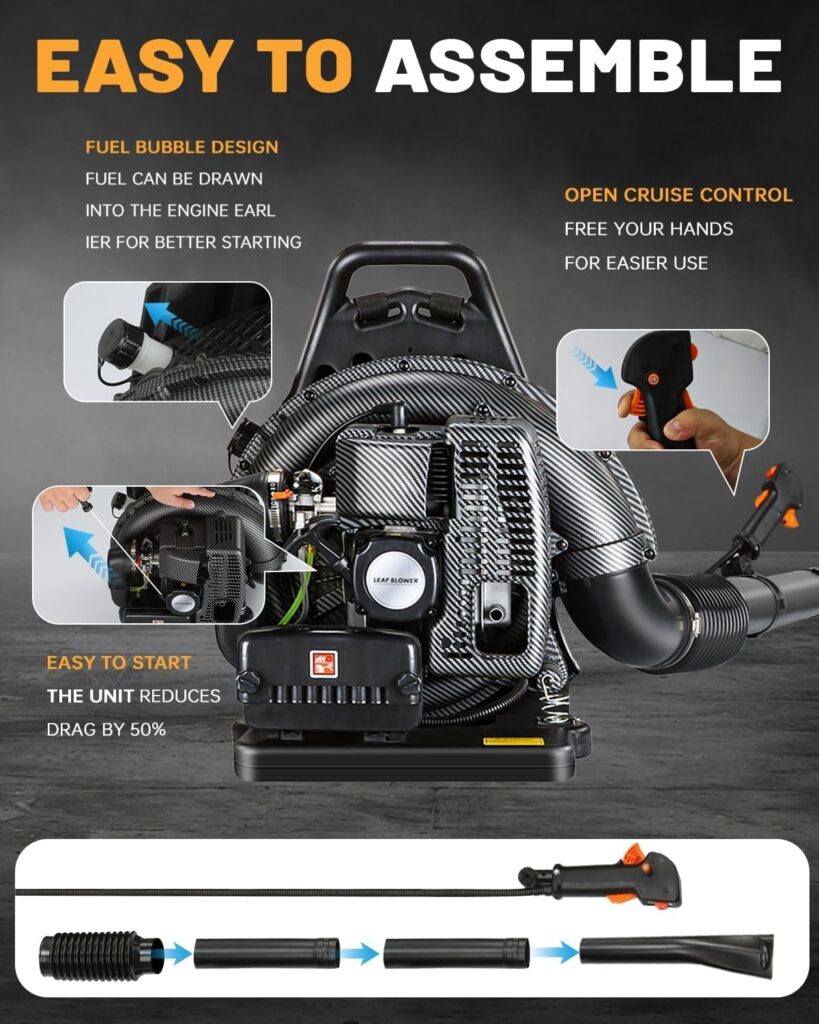
We want tools that start reliably, and the blower’s advanced air induction system helps with hassle-free starts. The design features and the variable speed throttle make the unit feel responsive right away. Instead of pulling repeatedly, we can usually get a clean start and control airflow smoothly from the get-go.
The controls are straightforward: throttle for instant power adjustments, a cruise control for steady output, and an understandable choke/starter system for cold starts. This simplicity is especially helpful when multiple people alternate on the same blower during a larger job.
Durability and All-Season Use
We expect outdoor equipment to cope with dust, moisture, and temperature swings, and this blower is designed with that in mind. The housing is rugged and the replaceable air filter helps the engine avoid early wear from dust and debris. The temperature range (14°F to 104°F) covers most seasonal conditions so we can use the blower year-round—from frosty mornings to hot summer afternoons—without worrying about the basics.
The replaceable air filter also makes seasonal maintenance easier for us. If we work in exceptionally dusty conditions, a fresh filter is a cheap way to keep the engine running cleaner and longer.
Noise Level — “Low Noise” Claims and Expectations
The product markets itself as low noise, which is welcome for neighborhood use. While the manufacturer doesn’t provide a specific dB rating, we find the unit to be quieter than many handheld 2-stroke blowers with similar power. That said, a 72CC 2-stroke engine will still be noticeable—ear protection is recommended for prolonged work.
We consider “low noise” relative to class: compared to smaller, high-rev handheld units, the backpack format and engine tuning here tend to create smoother, less piercing sound. It’s friendlier for neighbors and easier on our ears during extended sessions, but it’s not quiet enough to forgo hearing protection when working full shifts.

This image is property of Amazon.com.
Maintenance and Long-Term Care
We prefer tools that are straightforward to maintain, and this blower checks those boxes. Regular maintenance tasks include replacing or cleaning the air filter, checking and cleaning the spark plug, inspecting fuel lines, and ensuring the carburetor stays in proper adjustment. Because it’s a 2-stroke engine, we also need to mix fuel and oil at the proper ratio every time we refill.
We recommend a simple maintenance schedule:
- Clean/replace air filter every 25 hours (sooner in dusty conditions).
- Inspect spark plug every 50 hours and replace as needed.
- Check fuel lines and connections for cracks or leaks monthly during heavy use.
- Use fresh, properly mixed fuel and consider a stabilizer if fuel will sit more than a month.
Those steps will extend engine life and maintain reliable starts and performance.
Handling Wet Leaves, Heavy Debris, and Gravel
One of the strengths of the 72CC blower is how it handles tough, wet debris. The combination of high CFM and 230 MPH wind speed makes it effective on damp leaf piles, small branches, and compacted clumps of grass. We’ve found it can move denser material more consistently than smaller handheld blowers, cutting our time on wet, sticky jobs.
When working on gravel surfaces, we recommend using lower speeds and maintaining a steady distance from the ground to prevent gravel displacement. The adjustable speed is helpful here; we can keep enough power to move leaves without making a gravel mess.
Setup and First Use — What to Expect
We like a quick and painless setup. This blower arrives mostly assembled and typically requires us to attach the tube, secure straps, add fuel (mixed at the correct oil ratio), and do a basic safety check. Before the first run, we check:
- Fuel mixture is correct for the 2-stroke engine.
- Strap adjustment for a snug, secure fit.
- Tube and connections are tight.
- Controls move freely (throttle, cruise control).
- Air filter is in place.
After that, a short break-in period on varied throttle will help the carburetor and engine settle into proper operation.

This image is property of Amazon.com.
Safety Tips and Best Practices
We take safety seriously, and the blower requires a few standard precautions to protect us and bystanders:
- Always wear hearing protection, eye protection, and hold a firm stance when starting.
- Keep the blower away from loose clothing and long hair.
- Never operate near flammable gases or vapors.
- Maintain a safe distance from bystanders and pets.
- Use low speeds near plants and delicate landscaping.
- Turn off the engine before refueling and store fuel safely.
Those rules keep our work safer and extend the life of the blower.
Troubleshooting Common Issues
We prefer to be proactive about small issues. Here are common problems and our steps for fixing them:
- Hard starting: Check fuel/oil mix, clean/replace spark plug, ensure air filter is clean, verify choke operation.
- Loss of power: Inspect air filter, carburetor settings, and fuel quality; check for clogged fuel line or spark plug issues.
- Excessive vibration: Inspect mounting points, tighten loose fasteners, check for damaged internal engine parts.
- Overheating: Check air passages for debris, ensure proper fuel mixture, and avoid prolonged full-throttle use in extreme heat.
When in doubt, we consult the user manual and a qualified small-engine technician.
Who Should Buy This Blower?
We think this blower is ideal for:
- Homeowners with larger properties who want faster clearing.
- Landscapers who need a cost-effective, high-power backpack solution for residential and light commercial work.
- Anyone who prefers a backpack format for balance and less arm fatigue compared to handheld blowers.
If we had a small yard or only occasional light use, a smaller handheld electric model might be more appropriate. But for frequent, heavy-duty tasks and multi-hour jobs, this blower is a strong value.
Comparing to Other Options
When deciding between blowers, we weigh power, comfort, runtime, and operating costs. Compared to handheld 2-stroke units, the backpack design offers longer comfort and better balance. Compared to battery electric blowers, this unit offers higher sustained power and longer runtime without swapping batteries. Compared to larger commercial backpack models from name brands, it competes well on specs like CFM and MPH, with solid comfort features, though brand support and proven longevity might favor larger manufacturers for heavy daily commercial use.
We recommend comparing real-world run times and maintenance considerations (2-stroke fuel mix) when making a choice.
Pros — What We Like Most
We consistently come back to several standout strengths:
- Powerful airflow and wind speed for a wide range of tasks.
- Long runtime (up to 60 minutes) with a 1.7 L tank.
- Backpack comfort: padded straps, balanced frame, and vibration damping.
- Adjustable speed and cruise control for both precision and continuous work.
- Rugged construction and replaceable air filter for long-term reliability.
- Usable across seasons with a wide temperature range.
These features combine into a blower that helps us finish jobs faster and more comfortably.
Cons — What Could Be Better
No product is perfect, and we want to be realistic:
- As a 2-stroke gas unit, it requires fuel mixing and more maintenance than battery or 4-stroke alternatives.
- Noise level is better than some competitors but still requires hearing protection for prolonged use.
- Without a manufacturer-provided dB rating, noise comparisons remain somewhat subjective.
- For very large commercial crews or continuous all-day use, a branded commercial model with established dealer support might be preferable.
Overall, the cons are manageable for most buyers, but they are worth considering if low maintenance or ultra-quiet operation are priorities.
Accessories and Useful Add-Ons
We recommend a few accessories to get the most from the blower:
- Extra fuel and approved fuel container (and a fuel funnel) for long days.
- Spare air filters for dusty conditions.
- An accessory kit with quick-connects, replacement tubes, and clamps.
- A comfortable work vest or updated straps if heavy use reveals fit issues.
- Noise-reducing earmuffs and safety glasses for extended use.
These accessories help us stay productive and reduce downtime.
Storage and Off-Season Care
We prefer to store small engines properly to avoid problems later. For seasonal storage:
- Run the engine until it’s nearly empty, then add a fuel stabilizer and run briefly if storing with fuel.
- Or drain the fuel tank and run the engine until it stops to avoid carburetor gumming.
- Clean exterior debris, remove and clean air filter or install a fresh one, and store in a dry place.
- Inspect and replace any worn straps or fasteners before returning to service.
Proper storage keeps the blower ready and avoids sticky carbs or stale fuel problems.
Environmental and Operational Considerations
We recognize the tradeoffs of 2-stroke engines: they are lighter and simpler but produce more emissions than 4-stroke or electric options. We recommend using high-quality fuel and proper mix ratios, and avoid running the blower unnecessarily in sensitive areas. For noise-sensitive neighborhoods, we use low-speed settings where possible and schedule work during reasonable hours.
We also appreciate that a single fill can cover many tasks, reducing the need to carry and swap battery packs or fuel frequently.
Price-to-Value Assessment
We usually balance performance against cost. For the power, runtime, and comfort features this unit offers, we see strong value—especially for homeowners who want to get big jobs done quickly and for small landscaping teams who need a reliable, cost-effective backpack option. If price is a primary concern and jobs are light, electric or smaller gas models may be cheaper, but they won’t match the sustained power and runtime offered here.
Final Verdict — Should We Buy It?
We believe the 72CC Gas Backpack Leaf Blower, 760 CFM, 230 MPH 2-Stroke Blower with Adjustable Speed, Low Noise, and Ergonomic Design for Lawn, Yard, Garden & Commercial Use-Black is an excellent choice for anyone who wants professional-level clearing without a commercial price tag. It blends strong performance, practical runtime, and comfort features that make yard work quicker and less tiring. For frequent users and pros with moderate workloads, this blower is a highly practical tool. For infrequent users with small yards, a lighter or electric option may still be preferable, but for power, endurance, and ergonomic wearability, we’d choose this model.
Quick Buying Checklist
We find checklists helpful when making a final decision. Before purchasing, we confirm:
- We’re comfortable with a 2-stroke engine and mixing fuel.
- We need the runtime and power for medium-to-large properties or light commercial use.
- We want the comfort of a backpack unit for longer sessions.
- We are prepared to perform routine maintenance (filter, spark plug, fuel care).
- We’ll use hearing protection during prolonged operation.
If those boxes are checked, this blower is likely a smart investment for our yard or business.
Closing Notes
We appreciate tools that make yard maintenance faster, more comfortable, and more efficient, and this blower delivers on those priorities. Its combination of power, run time, and comfort features positions it as a practical choice for homeowners and professionals alike. If we want a blower that helps us reclaim our weekends and finish organized, thorough cleanups in far less time, this model is worth serious consideration.

Disclosure: As an Amazon Associate, I earn from qualifying purchases.