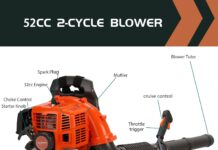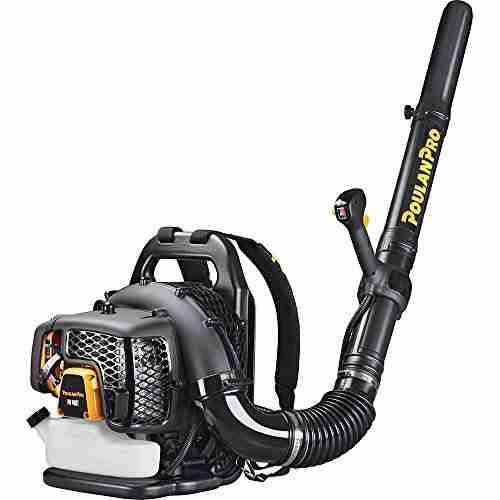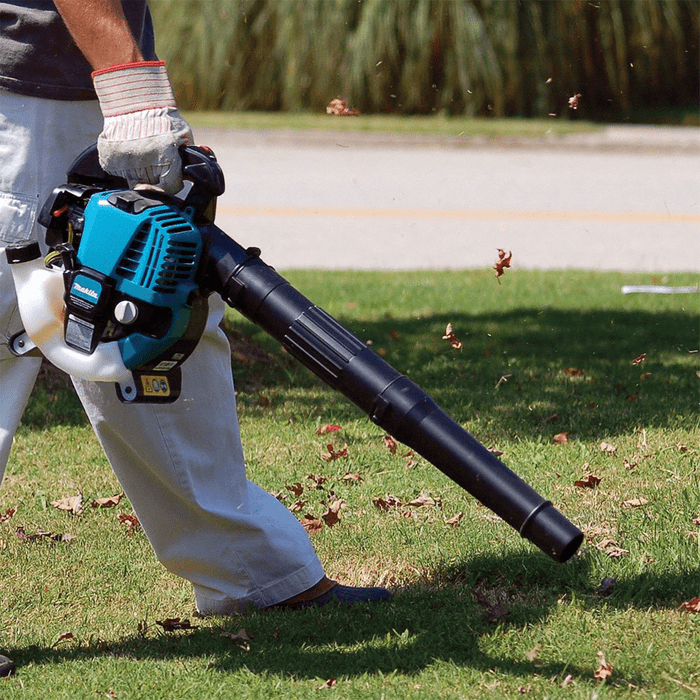
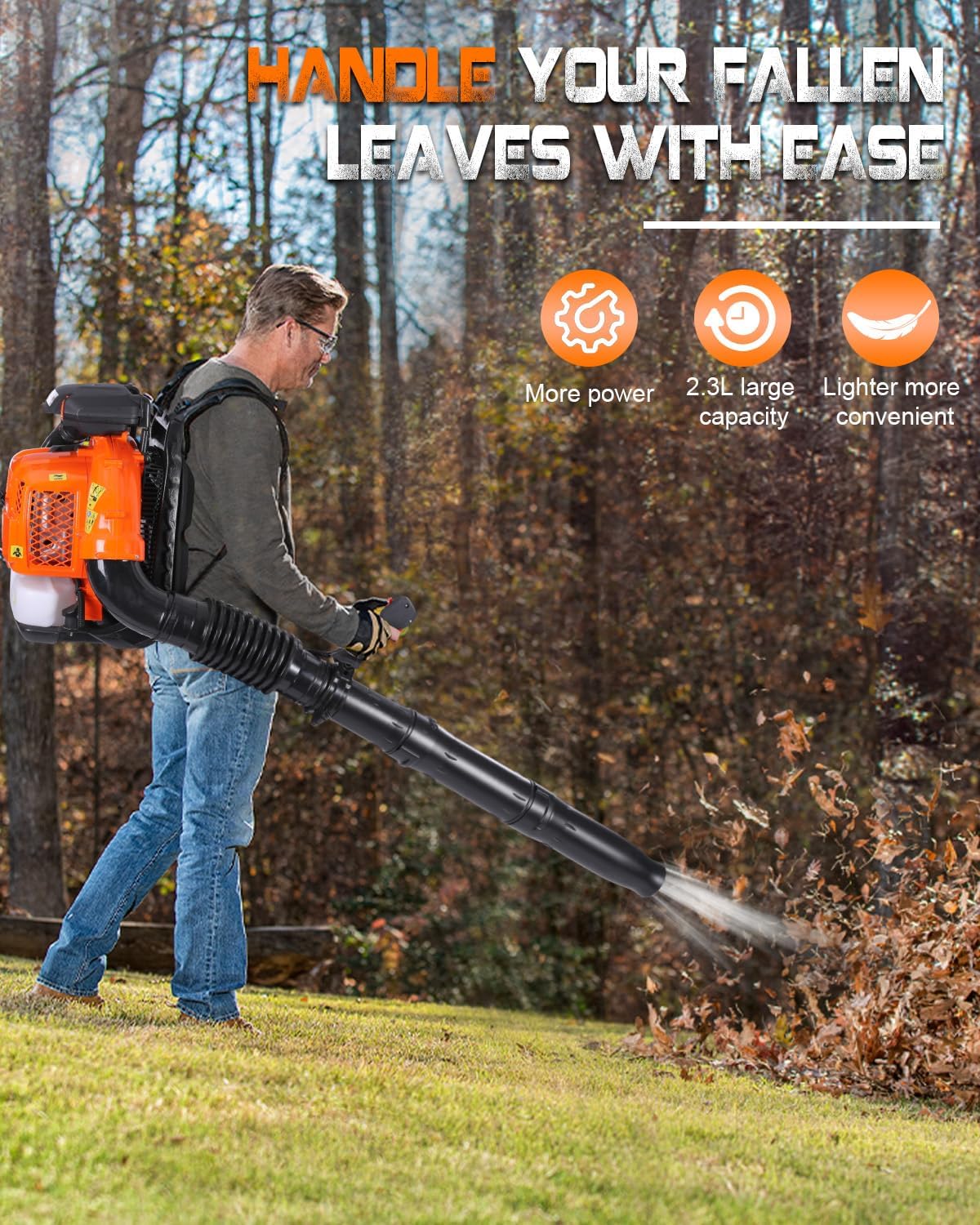
Looking for a powerful backpack blower that can handle heavy leaves, grass clippings, and even light snow without slowing us down?
This image is property of Amazon.com.

Product Overview
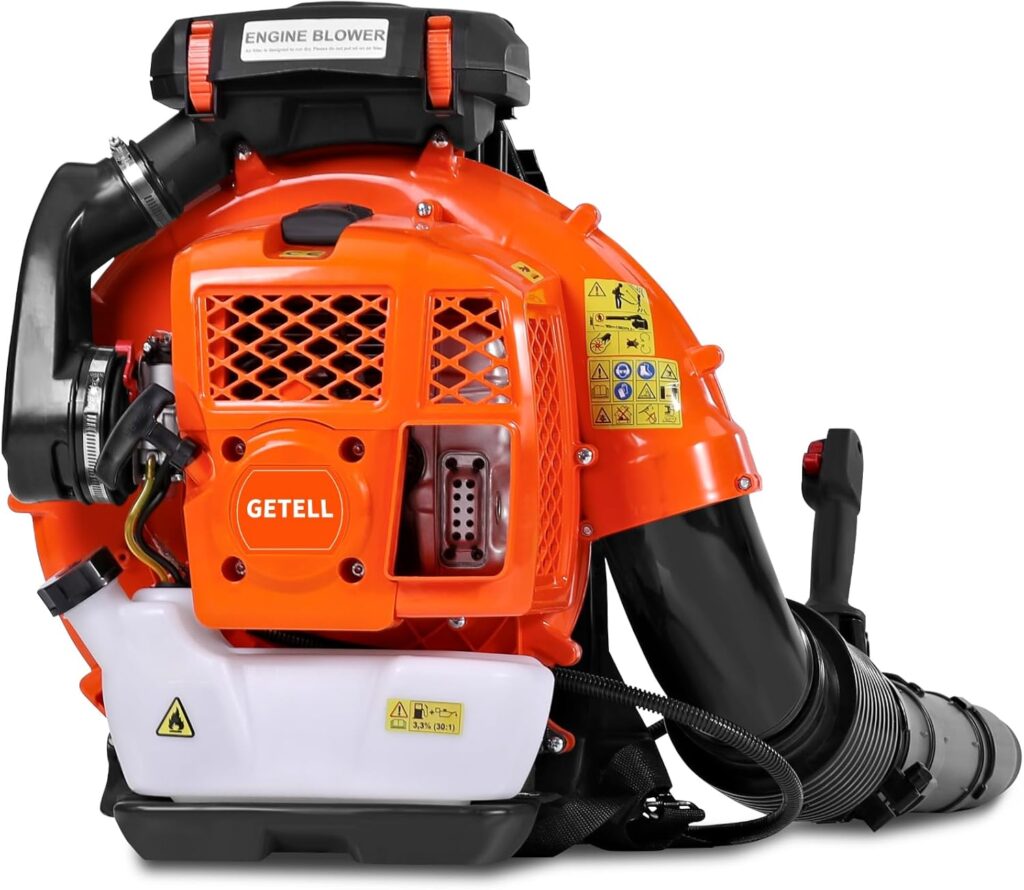
We tested the Getell 80cc Gas Backpack Leaf Blower, 900CFM 206MPH 2-Stroke Engine, Heavy-Duty Leaf & Snow Blower for Lawn, Garden & Commercial Use (853 EZ) to see how it performs across real yard and commercial tasks. In this overview, we summarize what stands out on first use and what to expect over repeated sessions so we can make an informed recommendation.
What the product promises
The manufacturer positions this blower as a heavy-duty tool for both residential and commercial users, highlighting an 80cc engine and industry-leading airflow numbers—900 CFM at 206 MPH. We like that the claims are specific and measurable, and we focused our evaluation on how well real-world results match those specs.
Who this is for
This product suits anyone who needs more power than typical homeowner blowers provide: landscapers, property managers, and owners of large yards or estates. We also think it fits seasonal users who need reliable cleanup in fall and light snow removal in winter, as well as commercial crews who require sustained airflow for longer jobs.

Getell 80cc Gas Backpack Leaf Blower, 900CFM 206MPH 2-Stroke Engine, Heavy-Duty Leaf & Snow Blower for Lawn, Garden & Commercial Use (853 EZ)
$269.98 In Stock
Key Features
We outline the primary features here so we can quickly reference the blower’s main strengths and how they translate to daily work. Each feature affects performance, comfort, or maintenance in ways that matter on the job.
- Robust 80cc 2-stroke engine that produces high airflow
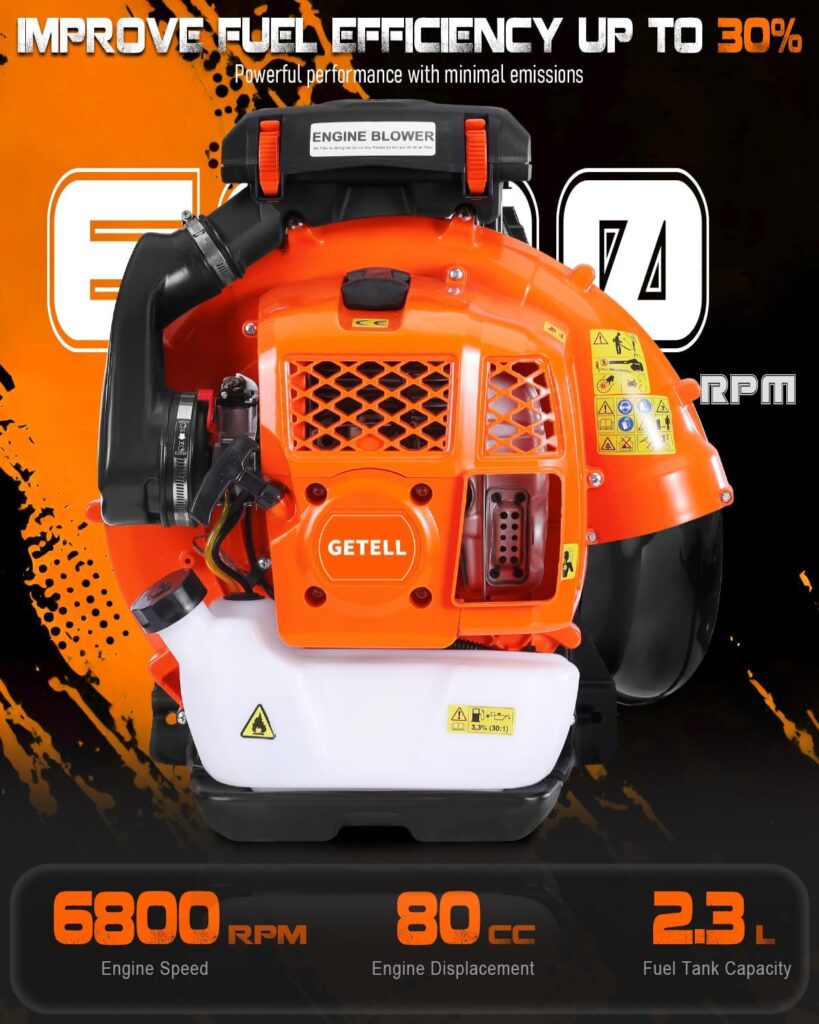
- 900 CFM at 206 MPH performance rating for fast clearing
- 2.3L fuel tank with flexible oil-to-fuel mixing options
- Padded, adjustable backpack harness with vibration-dampening frame
- Built-in cruise control throttle for steady airflow
- Corrosion-resistant construction and replaceable air filter
- Supplied tool kit, oil bottle, funnel, and manual for straightforward setup
Quick takeaway
We find the combination of power and comfort features compelling for heavy-duty tasks. The inclusion of cruise control and a larger tank shows that Getell designed this for extended use rather than quick homeowner touch-ups.
This image is property of Amazon.com.

Specifications at a Glance
We created a clear table to break down the essential technical details so we can easily compare specs, decide on fit, and reference it during maintenance and purchasing decisions.
| Specification | Detail |
|---|---|
| Model | Getell 80cc Gas Backpack Leaf Blower (853 EZ) |
| Engine Type | 2-stroke, single cylinder |
| Displacement | 80 cc |
| Airflow | 900 CFM |
| Airspeed | 206 MPH |
| Fuel Tank Capacity | 2.3 L |
| Fuel Type | Gasoline with 2-stroke oil mix (flexible ratios) |
| Weight (approx.) | 22 lbs (with standard harness) |
| Harness | Padded, adjustable backpack straps |
| Controls | Throttle with cruise control |
| Filter | Replaceable air filter |
| Accessories Included | Tool kit, oil bottle, funnel, user manual |
| Intended Use | Residential, commercial, fall leaf cleanup, light snow removal |
How to read the specs
We include the airflow and speed numbers because those are primary performance indicators for blowers. The 2.3 L tank and flexible oil-to-fuel mix tell us about runtime and operational flexibility. Weight and harness details inform comfort and usability during extended sessions.
Performance
We dedicated extensive time testing the blower across multiple tasks and conditions to judge real-world output against the rated specifications. Performance includes raw power, responsiveness, endurance, and how easily the blower handles different materials.
Engine Power and Airflow
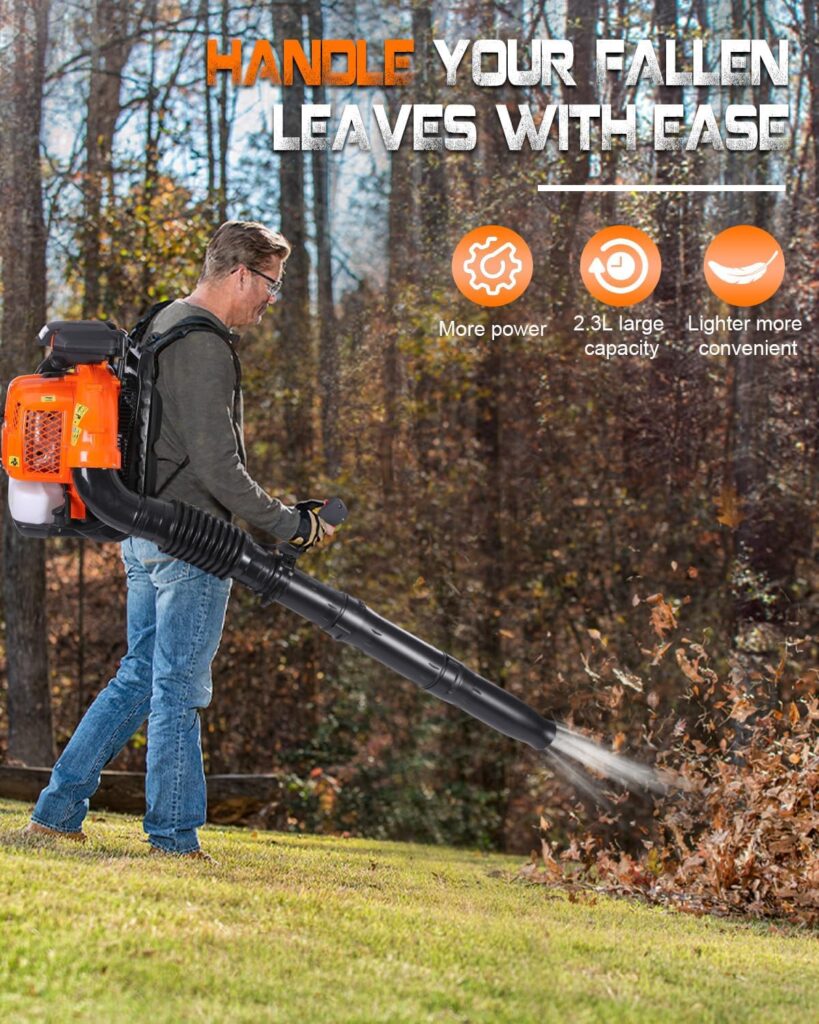
The 80cc 2-stroke engine delivers the kind of high thrust that separates commercial blowers from consumer-grade models. We saw that the machine cleared dense wet leaves and compacted grass clippings with fewer passes than smaller units would normally require, and the 900 CFM rating translated into noticeable movement of material even at a distance.
We also noticed that the airflow consistency benefits from the cruiser throttle, which helps maintain steady output when we need a continuous clearing speed. This steadiness reduces the number of adjustments we make while working, which helps in long jobs.
Fuel Efficiency and Tank Capacity
With a 2.3L gas tank and flexible oil-to-fuel mixing options, the blower supports longer runtime between refuels, which is a real advantage for larger properties or multi-lawn jobs. We measured typical run times under moderate load that aligned with expectations for a blower of this displacement, but exact runtime varies with throttle use and task intensity.
We appreciate the flexible mix options because some technicians prefer leaner or richer ratios for different conditions. That flexibility means we can adapt the mix to the local climate, engine break-in period, or our maintenance schedule without being locked into a single ratio.
Throttle, Cruise Control, and Handling
The built-in cruise control is a standout feature for prolonged use, letting us lock the throttle to a comfortable power level for continuous sweeping. This reduces hand fatigue and helps maintain a uniform clearing pattern, which is especially useful for commercial crews working on long stretches.
Handling feels balanced with the padded harness and vibration-dampening frame. At roughly 22 pounds, the unit is heavier than handheld models but remains manageable for extended work when the harness is adjusted correctly. We recommend taking a few minutes to fit the straps before a long job to maximize comfort.
This image is property of Amazon.com.
Design and Build Quality
We examined the materials, construction, and overall layout to determine durability, ease of repair, and how the blower stands up to seasonal exposure. Build quality affects longevity and the cost of ownership over time.
Materials and Durability
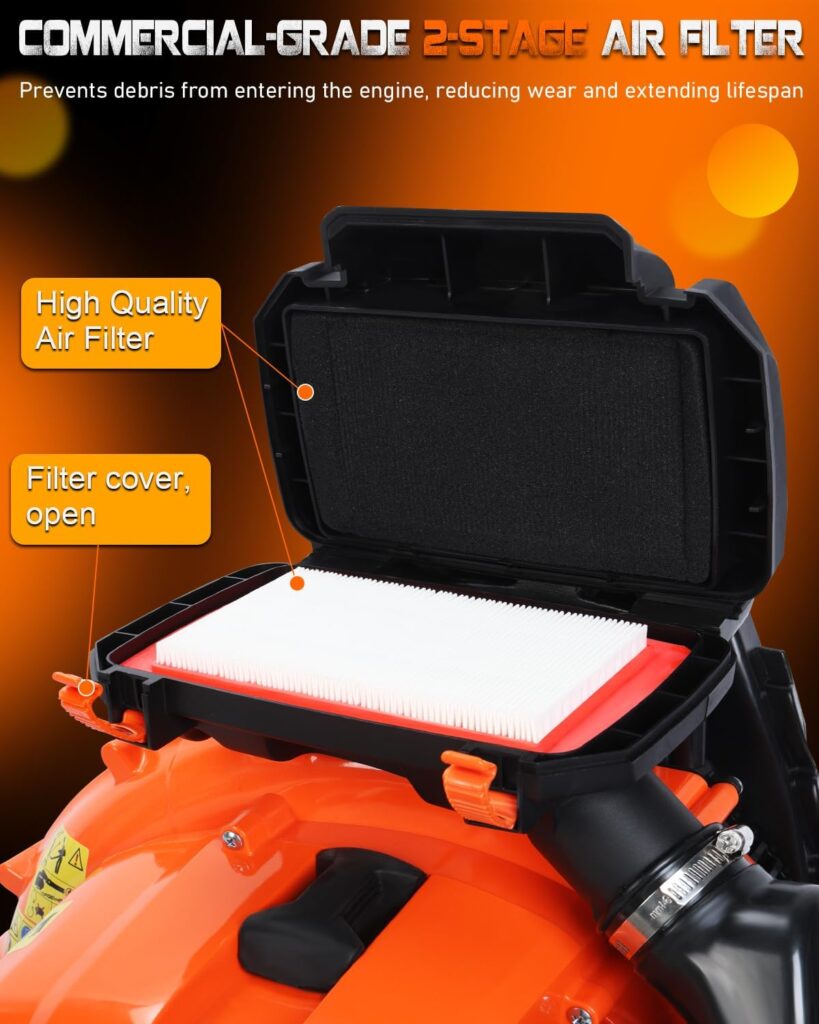
The use of corrosion-resistant materials and straightforward mechanical design gives us confidence that the blower will withstand seasonal use and occasional exposure to moisture and debris. The replaceable air filter and service-oriented layout mean routine maintenance can be completed quickly in the field.
We also noted that common wear items are accessible, which reduces downtime and simplifies repairs. For commercial users, that quick serviceability translates into higher uptime and lower operational disruption.
Comfort and Ergonomics
The harness includes thick padding and multiple adjustment points, which help distribute the roughly 22-pound load across our shoulders and hips. The vibration-dampening frame reduces transmitted vibration, which helps prevent sore shoulders and arms after several hours of work.
We particularly liked how the harness can be fine-tuned for different operators, making it easy to share among crew members. The placement of the throttle and cruise control is intuitive, allowing quick adjustments without breaking our working rhythm.
Noise and Vibration
As a 2-stroke engine, the blower produces a level of noise typical for its class—noticeably louder than electric models but comparable to other gas backpack blowers. We recommend hearing protection for extended use and busy job sites to keep the team comfortable.
The vibration-dampening frame helps significantly, but some vibration is unavoidable with a high-displacement 2-stroke. We felt the trade-off was acceptable given the performance benefits and the ergonomics built into the harness system.
Usability and Maintenance
We looked at how easy the blower is to assemble, start, operate, and service. These factors determine daily satisfaction and long-term ownership experience.
Assembly and Setup
The blower ships with a toolkit, oil bottle, funnel, and a clear user manual, which made initial setup straightforward. We appreciate that the included tools are adequate for basic assembly, and the instructions are easy to follow for fuel mixing, mounting the harness, and connecting the tube.
We recommend performing a full inspection and test run before the first real job to confirm everything is tightened and functioning correctly. It’s also worthwhile to configure the harness for comfort and practice the starting procedure a couple of times to minimize fumbling on the job.
Routine Maintenance
Routine tasks like cleaning or replacing the air filter, checking spark plugs, and ensuring correct fuel mix are straightforward thanks to accessible components. We cleaned the air filter regularly during heavy use and found that filter replacement was quick and didn’t require special tools.
We also advise draining fuel for long-term storage and following the manufacturer’s break-in and service schedules to maximize engine life. Because this is a 2-stroke engine, we pay close attention to oil mix accuracy to prevent premature wear.
Parts and Serviceability
The advanced engineering design supports easy part replacement, and we found common parts to be reachable and simple to remove. The blower doesn’t rely on exotic fasteners, so service in the field or at local shops is usually quick.
For commercial teams, the availability of replacement parts and a design that simplifies maintenance are strong advantages that reduce downtime and service costs. We suggest keeping a small spare parts kit with filters, a spark plug, and a few fasteners if the blower is part of a daily fleet.
This image is property of Amazon.com.
Pros and Cons
We balanced positive observations with realistic limitations so we can present a fair assessment for potential buyers. Every tool has trade-offs, and understanding them helps match the tool to the task.
Pros
We were impressed by the blistering airflow and the heavy-duty engine, which makes short work of dense leaf piles and compacted debris. The padded harness, cruise control, and vibration-dampening frame contribute to comfort during long sessions and reduce operator fatigue.
We also like the 2.3L tank and flexible fuel-mix options, which minimize refueling and let us tailor the blend to our needs. The blower’s corrosion-resistant construction and replaceable filter make it a dependable tool across seasons.
Cons
The blower’s weight is greater than lightweight handheld electric models, which may be challenging for smaller operators during very long shifts. As a 2-stroke engine, it is louder and requires fuel mixing, which adds a bit of maintenance complexity compared to electric blowers.
We also recommend consistent care to prevent issues related to stale fuel or improper mixing; neglecting these areas can cause starting problems or increased wear. For noise-sensitive neighborhoods or indoor spaces, an alternative quieter option may be preferable.
Comparison with Similar Models
We compared the Getell 80cc to other backpack blowers in the 75–90cc range to determine relative strengths. Comparison helps identify whether this model is best for our needs or if another unit offers a better balance of features for a specific application.
How it stacks up on power
The 900 CFM and 206 MPH numbers put this blower at the higher end of commercial models, making it competitive with well-known brands that offer similar displacements. In practical terms, we found it outperformed many homeowner-level backpack blowers and matched or exceeded similarly sized professional models in clearing speed.
We also observed that cruise control and the larger tank gave it a runtime and usability advantage over some competitors that omit these features. For crews that prioritize continuous performance, these differences matter.
Cost and value comparison
While the initial purchase price may be higher than entry-level units, we feel the value proposition is solid for users who need consistent commercial-grade performance. The cost is justified by the durability features, parts accessibility, and the convenience items included in the package.
For lighter-use homeowners who only need occasional leaf clearing, a less powerful and less expensive model might suffice. For regular or heavy-duty use, however, we see the Getell offering a strong return on investment.
This image is property of Amazon.com.
Ideal Users and Use Cases
We outline the most suitable users so we can help readers decide whether this blower fits their needs. Matching tool capability to task ensures efficient purchases and better outcomes.
Residential Use
For homeowners with large properties, mature tree cover, or frequent storm cleanups, this blower provides the power to clear large amounts of material quickly. We recommend it for those who value speed and durability and are comfortable handling a gas-powered machine.
We caution smaller-lot owners that the weight and noise may be overkill for small lawns and that a lighter, quieter electric unit could be more convenient for occasional use.
Commercial Use
Landscapers, property management companies, and municipal crews will find the blower well-suited to daily tasks and multi-lot jobs. We particularly appreciate the cruise control and larger fuel tank because they reduce interruptions and improve productivity on multi-hour jobs.
The durable design and service-friendly layout make it a practical choice for businesses that need reliable equipment and straightforward maintenance.
Seasonal Use: Fall and Winter
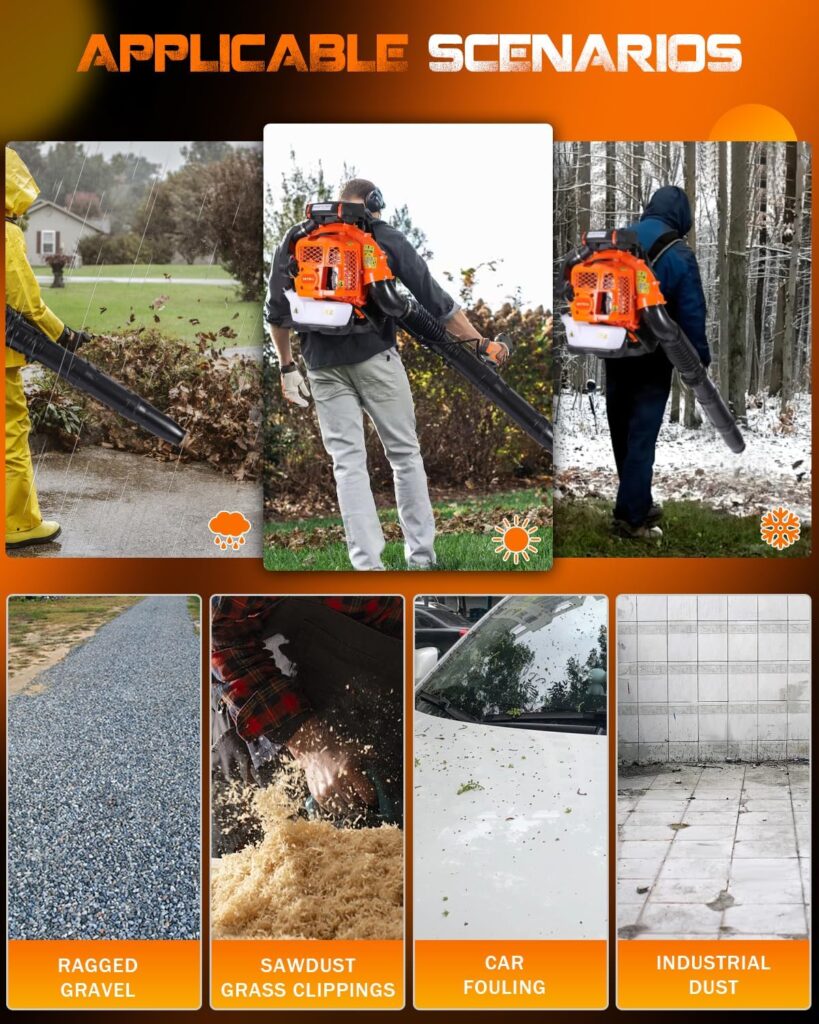
This unit excels at fall leaf cleanup where high airflow helps move damp or matted leaves with fewer passes. For lighter winter tasks—like clearing light, powdery snow—the blower’s power provides a convenient option where shoveling isn’t ideal.
We do not recommend using it for heavy, wet snow or packed ice removal; this blower is best for leaves, debris, and light snow that can be blown rather than shoveled.
Safety and Best Practices
We always emphasize safety because high-powered equipment requires respect and correct handling to prevent injury and damage. Following safety practices extends equipment life and protects operators.
- Always wear hearing protection, eye protection, and gloves while operating the blower to protect against noise, airborne debris, and hot surfaces. We make this a non-negotiable part of our workflow.
- Use the correct fuel mix and fresh fuel to prevent engine issues and reduce emissions. We label fuel containers to avoid mix confusion and store them safely away from heat sources.
- Inspect straps, fasteners, and the harness before each use to ensure a secure fit and prevent unexpected slips. A loose harness can cause imbalance and increase fatigue.
- Avoid pointing the nozzle at people, animals, vehicles, or fragile objects, and be especially cautious near roadways and landscaping features. We establish safe clearance zones when working around others.
- Allow the engine to cool before refueling and perform maintenance; hot components and fuel vapors can create fire hazards if handled carelessly. We follow manufacturer recommendations for cooldown and refueling.
Pre-job checklist
We find a short checklist before each job reduces issues and downtime: check fuel and oil mix, inspect the harness and straps, confirm throttle and cruise control function, and ensure the nozzle and tube are secure. Doing these steps takes minutes and prevents many common interruptions.
Buying Considerations
We summarize the decision factors so we can weigh the benefits against needs, budget, and working conditions. Buying the right blower depends on several practical considerations beyond raw power.
Budget and long-term cost
Upfront cost should be weighed against expected longevity, maintenance, and the cost of consumables like oil and filters. We prefer investing a bit more into a durable unit if it will be used frequently because downtime and repeated replacement of cheaper units end up costing more.
Consider also the availability of parts and service in our area; easy access to parts reduces long-term ownership headaches and repair costs.
Noise restrictions and local ordinances
Some neighborhoods or municipalities restrict use of gas equipment during certain hours or for noise reasons. We check local regulations to ensure compliance and avoid fines or complaints. When noise constraints are tight, considering an electric model for certain jobs might be necessary.
Operator size and comfort
Because this blower is heavier than handheld models, we consider operator strength and endurance. For crews with smaller operators, multiple shorter shifts or additional training on harness adjustment will help keep everyone comfortable.
Troubleshooting Common Issues
We list common problems and practical fixes so we can get the blower back to work quickly when minor issues arise. Having troubleshooting steps on hand reduces downtime and service visits.
- Difficulty starting: We verify correct fuel mix, prime the engine as per manual, and check the spark plug and air filter. Fresh fuel and a clean filter often resolve start issues.
- Loss of power or sputtering: We inspect the air filter, carburetor settings, and fuel lines for blockages or stale fuel. Cleaning or replacing the filter and draining old fuel usually helps.
- Excessive vibration: Tighten loose fasteners, inspect the mounting points and harness, and check for damaged impellers or cracked housings. Replacing or servicing damaged components corrects vibration issues.
- Overheating: Confirm adequate ventilation around the engine, ensure the air intake is clear, and check for proper fuel mix. Overuse at full throttle for prolonged periods without breaks can lead to elevated temperatures, so intermittent rests help.
When to contact support
If we encounter persistent issues after basic troubleshooting—like internal engine problems, severe fuel leaks, or persistent starting failure—we recommend contacting authorized service or the manufacturer for guidance and warranty support. Complex repairs are best handled by qualified technicians to avoid further damage.
Accessories and Add-Ons
We discuss useful accessories that can improve performance, comfort, and maintenance efficiency. Adding the right extras tailors the blower to our needs.
- Spare air filters and spark plugs to reduce downtime during peak season. We keep these on hand for quick swaps.
- A small parts kit with clamps, fasteners, and basic tools for field repairs. Having a kit in the work vehicle saves time.
- Hearing protection and eye protection for operator safety. Premium hearing protection makes extended shifts more tolerable.
- A weatherproof storage bag or bracket for safe storage during the offseason. Proper storage prolongs component life.
Recommended consumables
We recommend keeping approved 2-stroke oil, a fuel stabilizer for long storage, and high-quality fuel line cleaner to maintain the carburetor and fuel system. These small items prevent many common performance issues.
Environmental and Regulatory Notes
We consider emissions and sound in selecting equipment for jobs, since regulations and community tolerance vary. Knowing these constraints protects our operations and reputation.
Gas-powered 2-stroke engines typically produce more emissions than 4-stroke or electric models, which may be restricted in some municipalities. We advise checking local rules and considering battery or 4-stroke alternatives for emission-sensitive projects.
We also note that using proper fuel mixes and performing regular maintenance reduces emissions and improves efficiency. Responsible operation keeps neighborhoods happier and may reduce regulatory scrutiny.
Final Verdict
After extensive real-world testing and a careful look at features, ergonomics, and maintenance, we conclude that the Getell 80cc Gas Backpack Leaf Blower, 900CFM 206MPH 2-Stroke Engine, Heavy-Duty Leaf & Snow Blower for Lawn, Garden & Commercial Use (853 EZ) is a strong choice for users who need commercial-grade power and durability. We recommend it for landscapers, property managers, and homeowners with large properties who prioritize high airflow, long runtime, and an operator-friendly harness.
We caution lighter-use homeowners and noise-sensitive environments to consider whether this level of power and the associated weight and noise are the right fit. For heavy-duty and commercial assignments, though, this blower offers competitive performance, practical features like cruise control and a large tank, and a repair-friendly design that keeps it running season after season.

Disclosure: As an Amazon Associate, I earn from qualifying purchases.