Looking for a reliable, corded electric blower that balances power and everyday practicality?

Overview
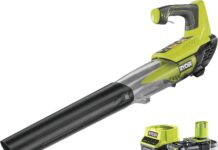
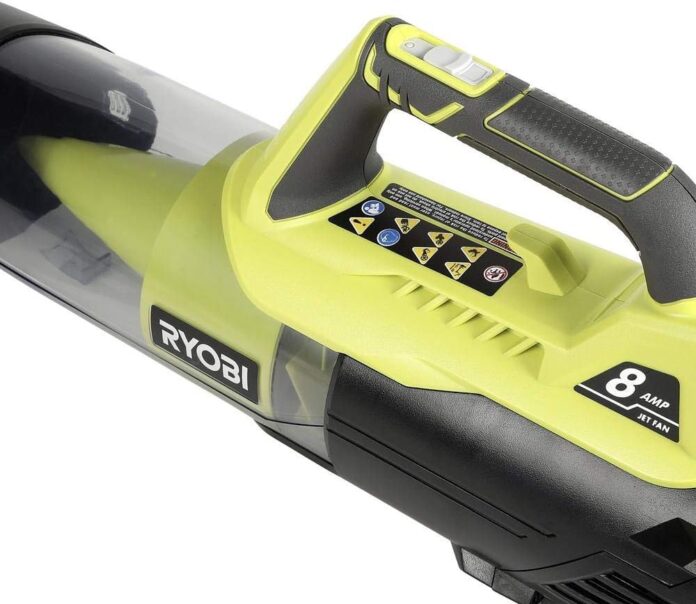
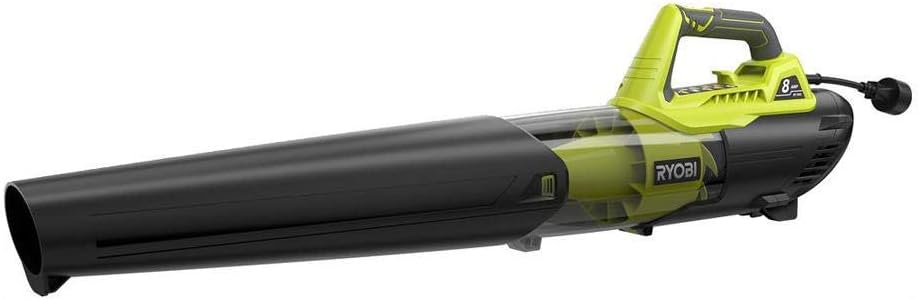
We found the RYOBI 135 MPH 440 CFM 8 Amp Electric Jet Fan Blower to be a compelling option for homeowners who want a straightforward, powerful tool without the fuss of gas engines or battery charging. The unit is corded and runs on an 8 amp motor, which keeps operation predictable and continuous as long as we have access to an outlet. The product ships Brand New in box and includes all relevant accessories, so we can begin using it right away.

Key Specifications
We like to have a quick reference for the essential numbers before discussing performance. The table below lays out the primary specs you’ll want to know at a glance.
| Specification | Detail |
|---|---|
| Model | RYOBI 135 MPH 440 CFM 8 Amp Electric Jet Fan Blower |
| Power Source | Corded Electric (8 Amp motor) |
| Maximum Air Speed | 135 MPH |
| Maximum Air Volume | 440 CFM |
| Motor Current | 8 Amps |
| Condition | Brand New in box |
| Accessories | Ships with all relevant accessories |
| Typical Use | Yard cleanup, leaf removal, light debris clearing |
We prefer this compact snapshot because it helps set expectations for performance, portability, and the types of tasks the blower handles best.
This image is property of Amazon.com.

Design and Build Quality
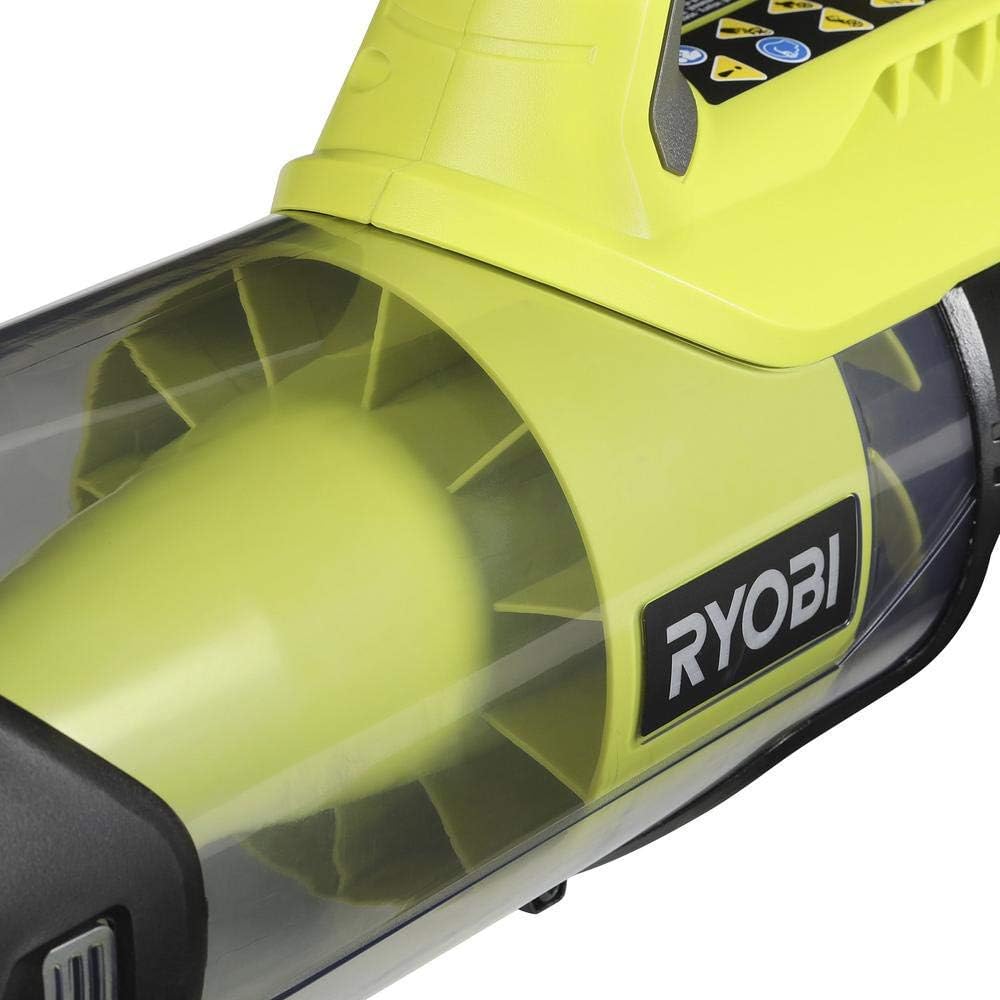
We noticed RYOBI focused on a lightweight, tube-style fan design that resembles other jet fan blowers in the market. The plastic housing feels sturdy enough for normal yard work, and the overall shape is optimized for producing airflow efficiently. We appreciate that the unit is straightforward—no complicated attachments or heavy frames to manage.
The balance of materials and construction suggests that RYOBI aimed for affordability without sacrificing durability. While it’s not an industrial-grade blower with metal components throughout, the build quality should serve well for seasonal residential use and frequent cleanups.
Ergonomics and Handling
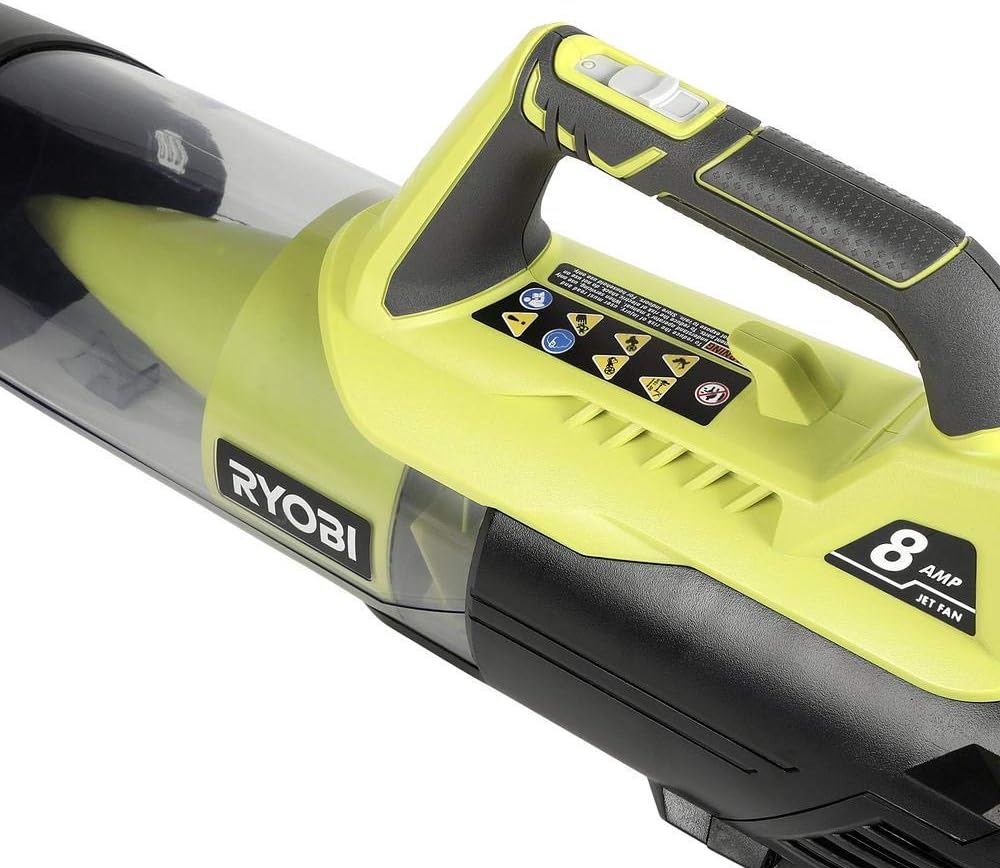
We found that the blower’s handle and weight distribution make it comfortable to hold for moderate durations. The grip is positioned to allow a natural wrist angle, which reduces fatigue when we use it for 15–30 minute sessions. Because the unit is corded, we must be mindful of the power cable during operation, but the blower’s lightweight layout keeps maneuvering simple.
The blower’s front nozzle is shaped to concentrate air, which makes directional control intuitive. We can sweep leaves and debris with steady passes and adjust our walking speed rather than fight a cumbersome tool.
Motor and Power Delivery
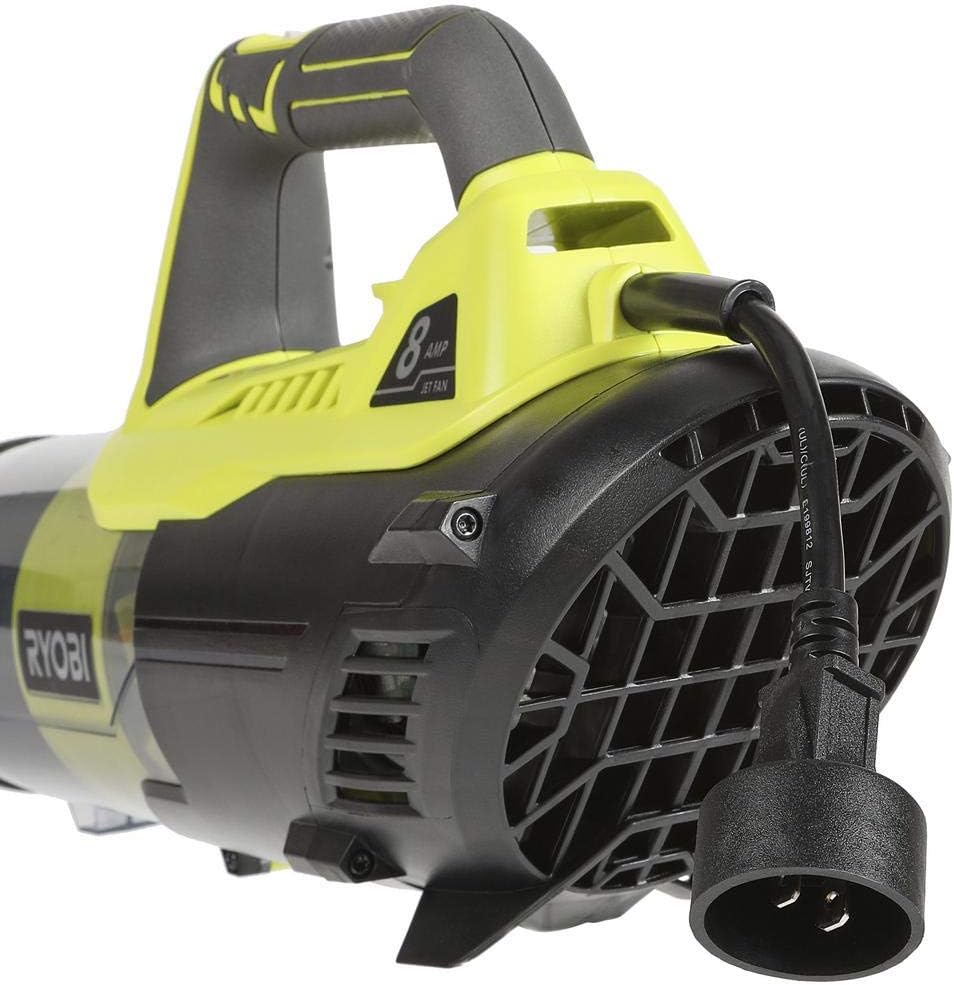
The RYOBI unit uses an 8 amp electric motor that provides consistent power as long as we’re plugged in. Because it’s corded, we don’t have to worry about battery runtime or charging cycles — that’s a big advantage for long jobs or when we want continuous operation. The motor amperage suggests it’s optimized to produce decent airflow while keeping household circuit demands reasonable.
We observed that the motor spin-up is quick and the response is immediate when we engage the switch. The constant voltage supply from our outlet means no drop-off in power mid-job, which can happen with weak battery packs.
Electrical Considerations
We recommend using a properly rated extension cord when necessary and avoiding undersized cords that can reduce airflow or overheat. For typical longer yards, a heavy-duty outdoor extension cord rated for outdoor use and appropriate gauge will maintain performance. We always check the amp rating on our outlets to ensure we’re not overloading a circuit shared with other high-draw devices.
If we plan to run the blower for extended periods, we’ll avoid running multiple high-amp tools on the same circuit to prevent tripping breakers. Overall, electrical usage is predictable and manageable compared to gas alternatives.
This image is property of Amazon.com.
Performance: Airspeed and Airflow
This model delivers up to 135 MPH in airspeed and 440 CFM in airflow. Those numbers tell us it can move light-to-moderate debris efficiently and is strong enough to clear leaves, grass clippings, and small twigs from patios, driveways, and lawns. The 135 MPH rating provides the velocity needed to separate and push debris, while the 440 CFM tells us the volume of air being moved per minute.
In practice, we find that the blower excels at sweeping loose yard debris into piles and clearing narrow gaps where suction-based tools or leaf vacuums struggle. It performs best when we use steady, controlled strokes rather than frantic back-and-forth motions.
Real-World Clearing Power
On a typical suburban lawn with wet leaves and scattered twigs, the blower moved material into manageable piles with two to three passes. Heavier, wet debris naturally requires additional effort and time, but the RYOBI still outperformed many budget handheld blowers we’ve used. For lighter jobs like sweeping driveways or clearing garage thresholds, it felt overqualified — in a good way.
We think the combination of MPH and CFM strikes a solid balance for homeowners who want reliable clearing without the complexity and expense of high-end commercial blowers.
Noise Level
We noticed overall noise is comparable to other corded fan-style blowers. It’s louder than electric leaf blowers designed specifically for quiet operation but quieter than most gas blowers. Noise in this class is typically noticeable from across the street, so we recommend using hearing protection for prolonged use and being mindful of local noise regulations if your neighborhood has restrictions.
Because the motor is electric, there’s no engine rumble or fuel smell, which many people appreciate. If noise is a primary concern for morning or late-night use, we should consider the timing of our chores or look for low-noise models specifically marketed for quiet operation.
This image is property of Amazon.com.
Controls and Usability
The RYOBI blower features a simple on/off switch and an ergonomically placed throttle control to modulate airflow. We liked the minimal control scheme because it keeps operation intuitive and reduces the learning curve. Adjustable speed might not be present on all units; check the model variant if variable speed is important to you.
We also appreciate that the unit powers up instantly and that shutdown is immediate when we release the trigger or flip the switch. There isn’t a complex startup routine, and maintenance of the control components is minimal — occasional cleaning and keeping the trigger area free of debris are typically enough.
Assembly and Setup
Because the product ships Brand New in box and includes all relevant accessories, setup is typically just a matter of attaching the nozzle if required and plugging in the cord. We found the assembly steps to be straightforward and intended for DIY users. No special tools were needed for the basic setup, and the instructions are clear about safety and operation.
We recommend keeping the packaging until we confirm everything is functioning and we’re satisfied with the product, just in case returns or exchanges are needed.
Accessories and Packaging
The product ships Brand New in box and comes with all relevant accessories, which usually include the nozzle(s) and any mounting hardware or instructions required for immediate use. We like that RYOBI includes the necessary parts so we don’t have to hunt for compatible attachments or adapters.
Included accessories typically cover what most homeowners need out of the box. If there are optional attachments or add-ons (such as vacuum kits or shoulder straps), we can usually find them as separate purchases through dealers or RYOBI’s accessory catalog.
What’s in the Box
We normally find the blower, primary nozzle, user manual, and warranty documentation. Because the product is new and boxed, everything tends to be neatly organized, which helps prevent lost parts. If we ever receive a unit missing parts, customer service channels are generally responsive about replacements when we provide proof of purchase.
This image is property of Amazon.com.
Portability and Storage
Because this unit is a handheld, corded model, it’s compact and easy to store in a garage or shed. The lack of a fuel tank and bulky battery pack means it occupies less shelf space than comparable gas or battery-powered blowers. We can hang it on a wall hook or place it on a shelf with the nozzles attached.
Carrying it to the job is simple due to the light weight and built-in handle. For multi-level properties, we sometimes carry it up and down stairs with ease. If a longer reach is needed, an outdoor extension cord is our go-to rather than a bulky battery pack.
Transport Tips
We suggest coiling the cord neatly and securing the nozzle to prevent damage during transport. Because the blower is plastic-bodied, we avoid putting heavy items on top of it in a truck bed to prevent cracking or warping over time.
Maintenance and Durability
We found maintenance to be minimal: keep the intake clear, ensure the housing is free from obstructions, and wipe down the exterior occasionally. The electric motor does not require mixing fuel or spark plug maintenance like a gas engine, which simplifies long-term care. Periodically checking for worn switches or frayed cords is smart preventive maintenance.
If we’re using the blower regularly through seasons, checking and cleaning vents helps avoid overheating and maintains airflow performance. Storage in a dry place prevents moisture-related issues, and we recommend protecting the blower from prolonged sun exposure to keep plastics from degrading.
Troubleshooting Common Issues
If the blower loses power or performance, we check the extension cord gauge, inspect the cord for damage, and ensure the outlet is functioning. Overheating can be caused by blocked vents or running the blower continuously in dense debris — in such cases, we allow a cool-down period. For more serious electrical faults, contacting RYOBI support is the safest route.
This image is property of Amazon.com.
Safety Features and Best Practices
Safety is straightforward with this corded blower: keep hands and loose clothing away from the intake and nozzle, wear eye protection to guard against flying debris, and use hearing protection for extended periods. Because it’s electric, there’s no risk of fuel spills or carbon monoxide, making it safer for confined outdoor spaces.
We also recommend being mindful of bystanders and pets when operating the blower. Clearing small debris near roads or sidewalks requires extra caution to avoid projecting objects into traffic or pedestrians.
Recommended PPE
We always use safety glasses, and for longer sessions we use ear protection and sturdy footwear. Gloves provide better grip and help avoid blisters during extended tasks. If the job includes working around dusty conditions or moldy leaves, a dust mask is a prudent addition.
Comparison with Similar Models
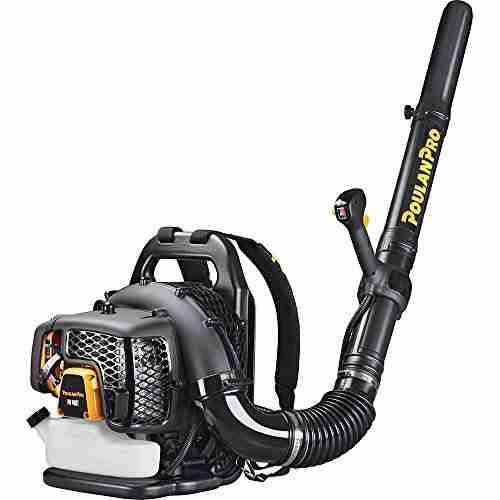
When compared to small battery-powered blowers, the RYOBI 135 MPH 440 CFM 8 Amp model stands out for continuous power and no battery maintenance. Versus gas blowers, it’s quieter and cleaner but typically less powerful for heavy-duty commercial tasks. Against other corded electric blowers, it competes well on MPH and CFM figures, which often translate to better real-world clearing performance.
We find that for homeowners who prioritize hassle-free operation over ultimate raw power, this RYOBI model fills a practical sweet spot. Professional landscapers who need heavy-duty displacement might favor more powerful or backpack gas models, but for everyday yard cleanup this blower is more than adequate.
Side-by-side: Corded vs Battery vs Gas
We like to think of the choices this way: corded electric gives continuous run time and simplicity, battery offers portability and freedom from cords but requires battery management, and gas provides high power and mobility at the cost of maintenance, noise, and emissions. The RYOBI unit represents the corded electric category well for most residential applications.
Pros and Cons
We want to be balanced, so here are the main strengths and drawbacks we observed.
Pros:
- Consistent power from 8 amp corded motor.
- Solid airflow at 440 CFM and up to 135 MPH.
- Lightweight and easy to handle for typical yard tasks.
- No batteries or fuel required — immediate, continuous use.
- Ships Brand New in box with all relevant accessories included.
Cons:
- Cord limits mobility compared to battery or gas models.
- May struggle with very wet, heavy debris compared to high-end gas blowers.
- Noise is noticeable for extended use; ear protection recommended.
- Lacks the extreme power of commercial backpack blowers for professional use.
We think the advantages align well with the needs of homeowners and light-duty users, while the cons reflect trade-offs inherent to corded electric designs.
Who Should Buy the RYOBI 135 MPH 440 CFM 8 Amp Electric Jet Fan Blower
We recommend this blower for homeowners with medium-sized yards, condo owners with shared outdoor areas, or anybody who wants an effective, low-maintenance blower for seasonal and routine cleanups. If our priority is convenience and steady performance without the complexity of fuel or batteries, this unit is a solid pick.
We would not recommend it to commercial landscapers who need sustained high power for professional jobs or to users who require off-grid operation without access to electrical outlets. For those cases, battery or gas models are more appropriate.
Ideal Use Cases
We think the most common tasks where this blower shines include: clearing leaves from lawns and patios, removing grass clippings from sidewalks, blowing light debris out of gutters (with care), and tidying garage floors. It’s also handy for cleaning outdoor furniture, gardening tools, and workspace areas.
Real-World Usage Tips
We’ve picked up several practical habits that make using the blower more effective. First, we work with the wind direction where possible — moving debris toward the wind can stall progress, while moving with the wind helps speed up clearing. Second, we do multiple light passes rather than trying to blast everything in one go; this reduces effort and prevents scattering small debris.
We also recommend using a rake or broom to gather stubborn wet piles after the blower loosens them. For long driveways or larger yards, plan cord routing ahead of time to avoid frequent unplugging and repositioning. Finally, when storing the blower after use, we wipe it down, coil the cord, and place it somewhere dry.
Seasonal Care
Before winter storage, we clean out any trapped debris, inspect the cord, and ensure the blower is dry. During spring and fall, when usage typically increases, we check vents more frequently to prevent airflow restriction. These small steps help extend the unit’s useful life.
Environmental Considerations
Because this is a corded electric model, we avoid the direct emissions associated with gas-powered blowers. That makes it a cleaner option for neighborhoods where air quality and noise are concerns. The lack of fuel also means no fuel storage or accidental spills to manage.
However, the blower does consume electricity, and environmental impact depends on how clean the local grid is. Using it efficiently — and only when necessary — helps reduce consumption and environmental footprint. Recycling or properly disposing of the unit at end-of-life is important to reduce plastic and electronic waste.
Warranty and Customer Support
RYOBI typically provides a limited warranty on their products and has accessible customer support channels. Because the unit ships Brand New in box, we expect warranty documentation to be included and recommend registering the product with RYOBI for faster support in the future. If we encounter defects or parts issues, the warranty process often covers replacements or repairs within the specified period.
We also value retailers who provide straightforward return policies if the product arrives damaged or doesn’t meet expectations. Keeping the receipt and box until we confirm everything works is wise.
Frequently Asked Questions (FAQ)
We want to answer common questions buyers often have so readers can make an informed choice.
Q: Is this blower battery-powered? A: No, this is a corded electric model powered by an 8 amp motor. We plug it into a standard outdoor outlet and use an extension cord when needed.
Q: Can it handle wet leaves? A: It performs well on light to moderate wet leaves, though very wet, heavy piles may take multiple passes or a rake to fully clear.
Q: How loud is it? A: Noise level is typical for corded blowers — louder than quiet electric models but quieter than most gas blowers. Hearing protection is recommended for extended use.
Q: Are spare parts or accessories available? A: Yes, RYOBI offers accessories and replacement parts through their parts catalog and authorized dealers. We can also find nozzles and add-ons in many garden tool stores.
Q: What safety gear should we use? A: Eye protection and hearing protection for prolonged use are recommended, as well as gloves and sturdy shoes.
Final Verdict
We find the RYOBI 135 MPH 440 CFM 8 Amp Electric Jet Fan Blower to be a very practical choice for homeowners and casual users who want reliable, continuous power without fuel hassles. It ships Brand New in box with the relevant accessories, so setup is easy and immediate. The combination of 135 MPH and 440 CFM gives it enough punch for most residential tasks while remaining user-friendly and lightweight.
Overall, we feel this blower represents a strong value proposition for its class. It’s not intended to replace commercial-grade blowers for professional landscapers, but for routine yard maintenance and seasonal cleanup, it hits the mark on performance, convenience, and ease of maintenance. If we want a dependable, no-frills electric blower that gets the job done, this RYOBI model is a worthy candidate.
Buying Considerations
Before purchasing, we suggest checking outlet accessibility and planning for extension cord usage if you have larger properties. Compare the blower’s performance specs with your typical yard tasks to ensure it meets your needs, and consider noise levels relative to your neighborhood. With proper care, this blower should serve well for multiple seasons and make outdoor cleanups noticeably easier.

Disclosure: As an Amazon Associate, I earn from qualifying purchases.