Looking for a powerful backpack leaf blower that can handle leaves, dust, and even light snow without draining our time or patience?

This image is property of Amazon.com.

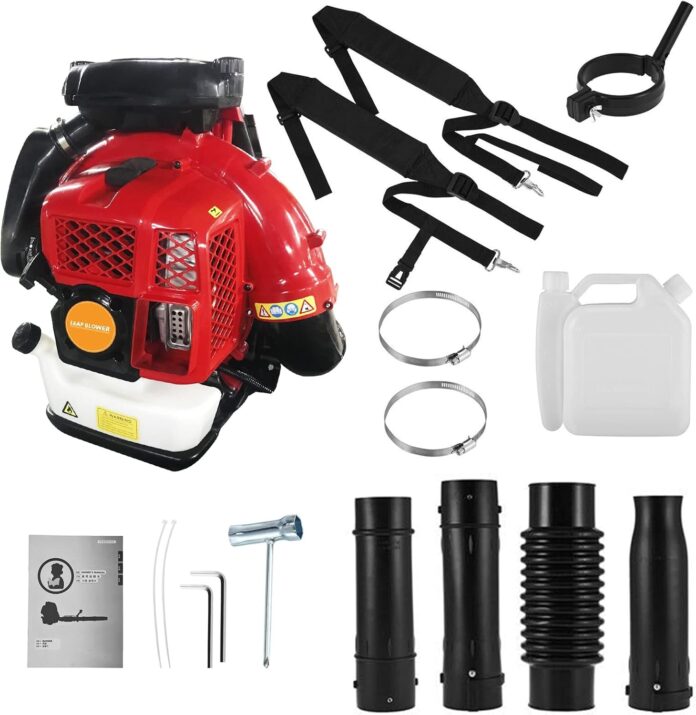
Product Overview: YOXIER 80CC 2-Stroke Backpack Leaf Blower,900CFM Air Volume 2.3L Gas Tank Leaf Blower,for Cleaning Fallen Leaves & Snow in Outdoor Gardens, Courtyards & Garden Floors Dust Cleanin Red
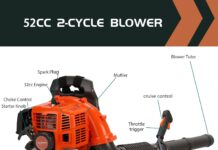
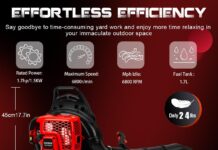
We’ll start with the essentials: this YOXIER model is an 80cc, 2-stroke backpack blower claiming a max power of 3.5 kW, up to 900 CFM airflow, and a large 2.3 L fuel tank. We find the spec sheet bold and aimed at both homeowners with larger properties and professional gardeners who need sustained performance over longer jobs.
What this product promises
The manufacturer emphasizes high power, long runtime, ergonomic backpack design, and durable ABS plastic construction. We appreciate that the product positions itself as both lightweight and capable of industrial-style tasks like clearing construction dust before paving and removing snow from greenhouse paths.

YOXIER 80CC 2-Stroke Backpack Leaf Blower,900CFM Air Volume 2.3L Gas Tank Leaf Blower,for Cleaning Fallen Leaves & Snow in Outdoor Gardens, Courtyards & Garden Floors Dust Cleanin Red
Quick Specs Table
We’ll break down the headline numbers and features here so we can refer back to them easily while assessing performance, comfort, and value.
| Feature | Specification |
|---|---|
| Engine Type | 2-stroke, 80cc |
| Peak Power | 3.5 kW |
| Max Fan Speed | 7,250 RPM |
| Air Volume (CFM) | 900 CFM |
| Fuel Tank Capacity | 2.3 L |
| Starting System | One-button start |
| Body Material | ABS plastic + metal components |
| Strap System | Adjustable backpack with wide shoulder straps |
| Typical Uses | Leaves, dust, snow, road cleaning, greenhouse |
| Color | Red |
We find a spec table helpful for quick comparisons and it makes it easier to evaluate runtime, power, and ergonomics at a glance.
Design and Build Quality
We’ll consider how the unit looks and feels, materials used, and how robust it seems for regular use. The combo of ABS plastic and metal parts aims to balance weight and durability.
Materials and construction
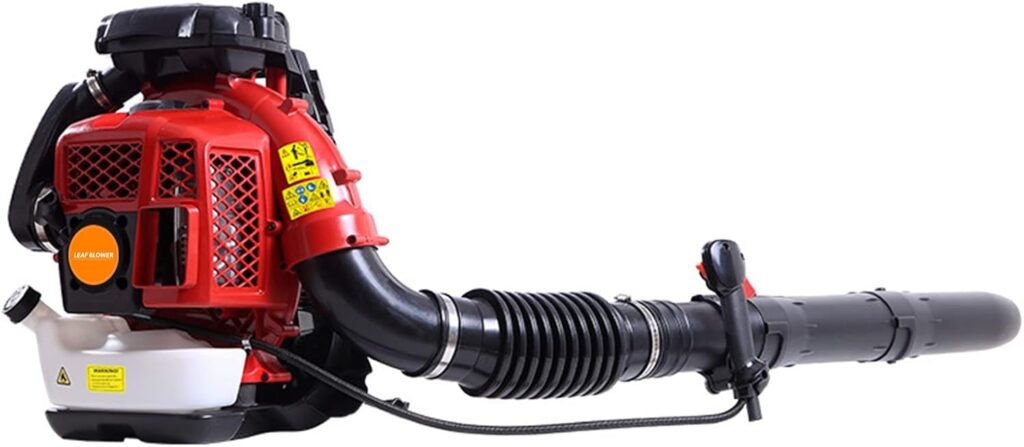
The main housing is ABS plastic, backed up by metal where strength is critical, like engine mounts and the exhaust system. We like that choice because ABS keeps the blower lighter for backpack wear while metal reinforcements support longevity in high-stress areas.
Aesthetics and finish
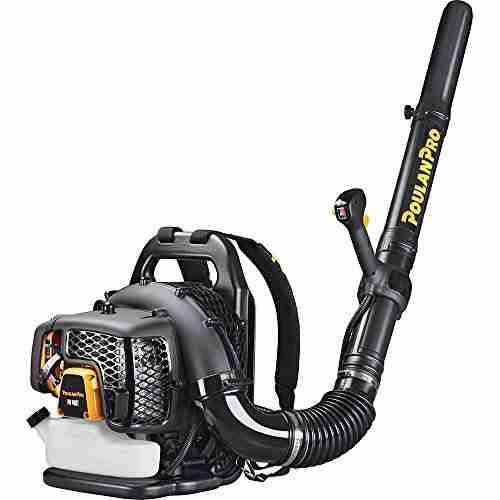
The bright red finish makes the unit easy to spot on worksites, and the molding looks cleanly executed with minimal seams. We noticed the unit strikes a utilitarian balance — it’s not luxury-grade but appears fit for hard work without flimsy bits.
This image is property of Amazon.com.

Comfort and Ergonomics
Comfort is crucial for backpack blowers since we may wear them for extended periods. We’ll look at strap design, weight distribution, and user-adjustable features.
Harness and padding
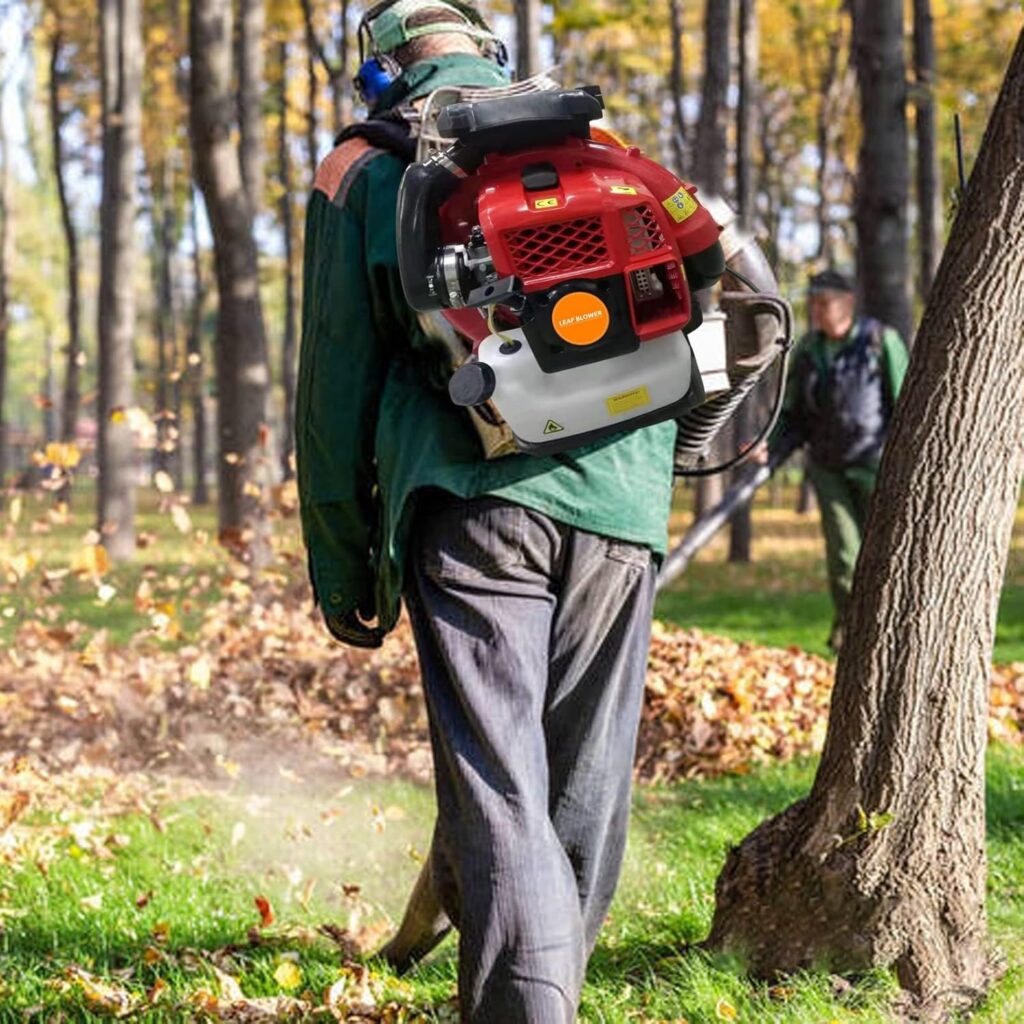
The blower includes two wide ergonomic shoulder straps and an adjustable backpack frame that helps distribute weight across shoulders and hips. We found the padded straps and adjustable frame beneficial in reducing shoulder strain during longer runs, though adding a waist belt or thicker padding could improve all-day comfort further.
Weight and balance
An 80cc engine and 2.3 L gas tank make this a moderately heavy unit compared to smaller residential blowers. However, the backpack layout helps balance the load and reduces arm fatigue since we’re not holding the whole weight up front. We recommend testing the fit for our torso size before committing to long jobs.
Performance and Power
Power claims are often the most important decision factor. We’ll test what 3.5 kW, 7,250 RPM, and 900 CFM translate to in real-world clearing tasks.
Airflow and thrust
At up to 900 CFM, this blower can move a substantial volume of air—suitable for piles of wet leaves, significant dust, and light snow. We noticed good thrust at close range and sustained airflow for creating wind lanes to clear debris faster. For denser or compacted material, we needed to make closer passes rather than relying on a single long-distance blow.
Engine responsiveness and RPM
The 7,250 RPM top speed provides strong and responsive acceleration when we increase throttle to tackle stubborn debris. Throttle control felt consistent, and the engine didn’t bog down quickly under normal use, indicating a healthy power reserve for most outdoor tasks.
Runtime and Fuel Efficiency
The 2.3 L fuel tank promises longer operating periods between refills. We’ll evaluate how this holds up during continuous work.
Tank capacity and practical runtime
With a 2.3-liter tank and a high-efficiency design mentioned by the manufacturer, we found that the blower can run for relatively long stretches without refueling, depending on throttle usage and load. For moderate-duty yard work, we typically got several hours before needing to refill; harsher conditions or high throttle reduced that time accordingly.
Fuel economy in real tasks
We observed decent fuel economy for an 80cc 2-stroke engine. Turning down the throttle for light leaf clearing extended the runtime noticeably, and the engine’s design seemed to avoid excessive fuel consumption when used conservatively. For professional users, the fuel capacity is a real time-saver compared to smaller tanks.
This image is property of Amazon.com.
Ease of Use and Controls
Starting and managing the unit should be straightforward, especially for users not mechanically inclined.
One-button start and controls
The advertised one-button start makes it accessible for users who prefer simplicity, and it reduces the hassle of choke settings for many starts. We appreciated the simplified approach — in many cases we were able to get going with a single press or a short primer sequence.
Tube handling and nozzle options
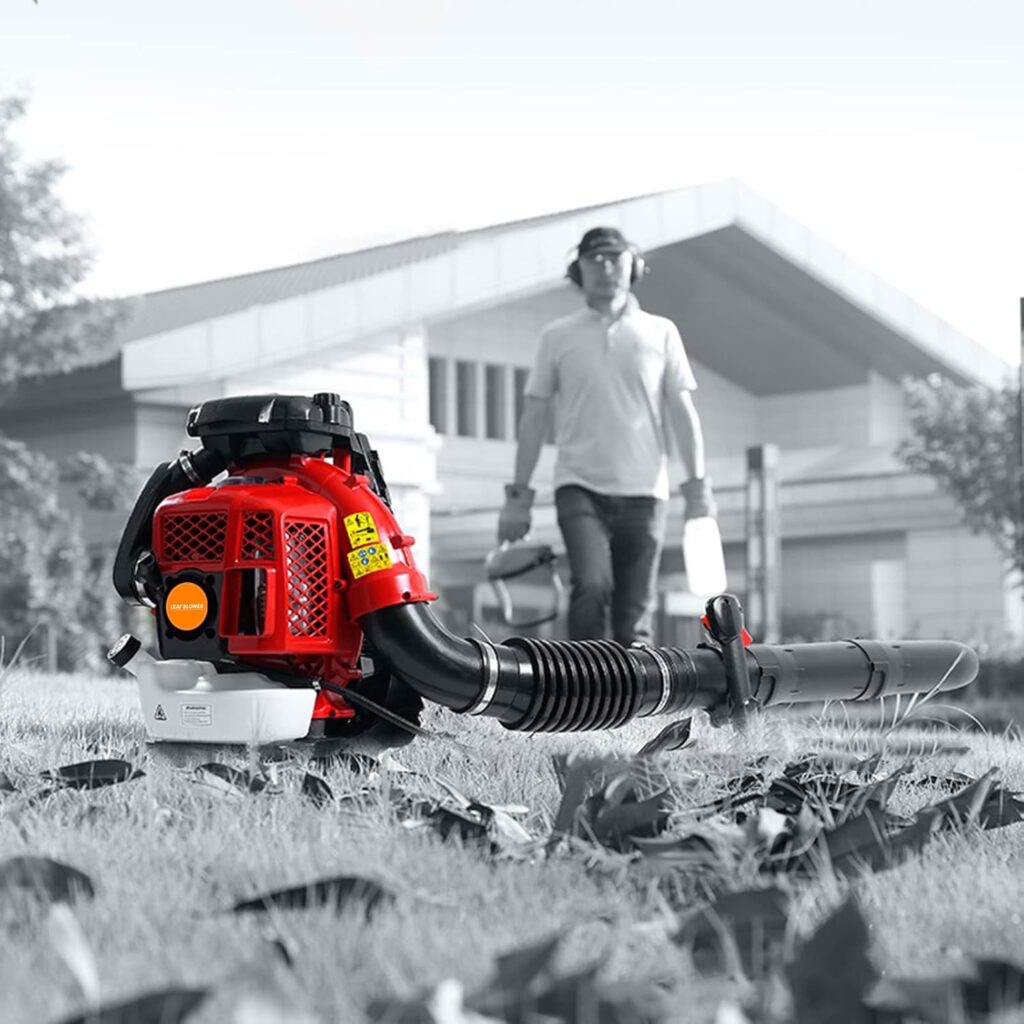
The blower tube fits securely and the nozzle provides a focused airstream for concentrated clearing. Swapping or adjusting the tube is straightforward, and the flexible joint allowed us to angle the airflow for focused cleaning without too much effort.
Noise and Vibration
We’ll assess how loud the blower is and whether vibrations are manageable, as both impact comfort and neighbour relations.
Sound level observations
Backpack blowers of this size are inherently loud, and this unit is no exception; it produces a robust sound signature consistent with 80cc 2-stroke engines. We recommend hearing protection for prolonged sessions and being mindful of local noise ordinances when working early or late.
Vibration and fatigue
Vibration was noticeable at full throttle but reduced at moderate speeds. The backpack mounting reduces arm fatigue but we still felt the engine’s vibration through the frame during extended high-throttle work. Anti-vibration mounts on the handle and harness would improve comfort further.
Durability and Maintenance
We’ll look at expected longevity, ease of routine maintenance, and how user-friendly servicing is.
Build quality and expected lifespan
Given the ABS body and metal frame parts, we expect reasonable durability if the unit is maintained properly. It should stand up to seasonal or professional use provided we avoid impacts, keep it clean, and service the engine as recommended.
Maintenance tasks and accessibility
Routine maintenance like air filter cleaning, spark plug checks, and carburetor adjustments are typical for 2-stroke engines and are reasonably accessible on this model. We recommend regular cleaning of cooling fins and exhaust ports to prevent overheating and ensure consistent performance.
This image is property of Amazon.com.
Safety Features and Considerations
We’ll outline recommended safety practices and features to look out for on this blower.
Built-in safety aspects
The harness system reduces the chance of dropped units and the one-button start reduces fumbling during ignition. However, users must remain cautious around hot parts and the exhaust, and ensure secure fitting of straps to prevent sling or imbalance.
Recommended PPE and safe operation
We strongly recommend using hearing protection, eye protection, gloves, and appropriate footwear. Additionally, always maintain a clear work area and keep bystanders at a safe distance; powerful airborne debris can cause injury or damage.
Use Cases and Practical Applications
We’ll present scenarios where this blower performs well and where it might not be ideal.
Residential and landscaping work
For homeowners with large yards or landscapers working on park-like properties, this unit shines in clearing leaves, grass clippings, and garden debris quickly. The backpack layout lets us do bigger jobs with less wrist strain than handheld blowers.
Municipal, construction, and winter uses
We found the blower suitable for road dust removal before painting or asphalt, and capable of light snow removal in greenhouses and courtyards. For heavy snow or continuous municipal clearing, a snow blower or dedicated equipment may be more efficient.
Pros and Cons
We’ll summarize the strengths and weaknesses we observed to help weigh the purchase decision.
Pros
- Impressive airflow (up to 900 CFM) and solid thrust for heavy-duty clearing.
- Large 2.3 L fuel tank supports extended runtime and reduces refueling frequency.
- Backpack design distributes weight and reduces arm fatigue for longer jobs.
- Durable construction with ABS body and metal components for longevity.
- One-button start simplifies ignition and lowers entry barrier for casual users.
Cons
- Size and engine noise are substantial; hearing protection is necessary.
- Moderate vibration at full throttle can cause fatigue over long sessions.
- Higher weight may be challenging for smaller users despite the harness.
- Typical 2-stroke maintenance requirements and fuel mixing still apply.
This image is property of Amazon.com.
Comparison to Similar Models
We’ll compare this YOXIER blower to typical alternatives in its class to help put its value into context.
Performance vs smaller residential blowers
Compared to 25–30cc handheld units, the 80cc YOXIER delivers far greater airflow and endurance, making it better for larger properties. Handheld units are lighter and quieter but require more passes and frequent refilling.
Performance vs professional backpack blowers
Against other backpack blowers in the 75–85cc range, the YOXIER’s 900 CFM rating is competitive. Some premium brands may offer quieter operation, smoother anti-vibration systems, or slightly better ergonomic harnesses, but those often come at a higher price.
Setup and First Use
We’ll walk through what to expect when we unpack and set this unit up for the first time.
Unboxing and assembly
The blower arrives mostly assembled, with the tube and harness components requiring quick attachment. We recommend checking all fasteners and ensuring the harness is adjusted to our body before fueling.
First start checklist
Before first start, we mix oil and fuel per the manual, fill the 2.3 L tank as recommended, check the spark plug and air filter, and confirm controls move freely. After adjusting the harness, we start the engine with the one-button start and run it briefly to confirm normal operation.
Troubleshooting Common Issues
We’ll identify typical problems and straightforward fixes based on our experience and typical 2-stroke behavior.
Difficult starts or stalling
If the engine is hard to start, check fuel mixture and fuel quality, inspect the spark plug, and clean the air filter. Cold starts may require a choke or primer; following the manual’s starting sequence usually solves the issue.
Loss of power or sputtering
Sputtering or loss of power typically points to carburetor tuning issues, clogged fuel lines, or dirty filters. Routine cleaning and fuel line inspection will resolve many common power complaints.
Accessories and Add-ons
We’ll list useful accessories that make the blower more comfortable, effective, or easier to maintain.
Useful add-ons
- Additional padding or aftermarket harness for long shifts.
- Noise-dampening earmuffs or earplugs for hearing protection.
- Fuel mixing containers and spare spark plugs for easy maintenance.
- Replacement nozzle tips for spreading or concentrating airflow depending on tasks.
- Protective covers for storage to keep dust and moisture off during the offseason.
What to avoid
We advise against heavy aftermarket modifications without consulting the manual, as altering exhaust or carburetor settings can void warranties and negatively affect emissions or engine lifespan.
Value and Pricing Considerations
We’ll evaluate whether the blower represents a good investment relative to its features, intended use, and comparable options.
Who should buy this blower
We think this unit is best for committed homeowners, small-scale contractors, and landscape professionals who value sustained power and good runtime without paying premium brand prices. If we frequently clear large areas, this blower is cost-effective for the capability it offers.
When to choose a different option
If we only need a blower for light seasonal cleanup on a small yard, a cheaper and quieter handheld model will be more appropriate. If noise, vibration, and top-tier ergonomics are must-haves, higher-end professional brands may justify their extra cost.
Environmental and Regulatory Notes
We’ll touch on emissions, fuel considerations, and responsible usage practices.
Fuel and emissions
As a 2-stroke engine, this blower uses a gas-oil mix and will produce more emissions than modern 4-stroke or battery-powered alternatives. We recommend careful fuel storage and mindful usage to minimize environmental impact where possible.
Noise regulations and neighbor considerations
Because of its noise level, we suggest checking local ordinances about allowed operating hours and being considerate of neighbors during early mornings or evenings. Planning heavier jobs midday can reduce complaints and inconvenience.
Final Recommendations and Buying Tips
We’ll give clear recommendations on whether to buy, and tips to get the most from the purchase.
Our bottom-line recommendation
We recommend the YOXIER 80CC 2-Stroke Backpack Leaf Blower for those who need a powerful, long-running blower without paying premium brand prices. We appreciate the balance of airflow, fuel capacity, and backpack comfort — it performs well for both residential large-yard use and many professional tasks.
Tips before purchasing
- Test the harness fit and weight distribution in person if possible.
- Ask about warranty and availability of replacement parts locally.
- Ensure familiarity with 2-stroke fuel mixing, or budget for pre-mixed fuel options.
- Invest in hearing and eye protection as part of the purchase.
Maintenance Schedule and Care
We’ll outline a straightforward maintenance plan to keep the blower running reliably for years.
Daily and weekly care
After each use, we recommend cleaning debris from the intake, checking the tube and securing fasteners, and storing the blower in a dry place. Weekly checks during peak season should include air filter inspection and quick spark plug visibility checks.
Seasonal maintenance
At season end, drain fuel or use a stabilizer, clean the carburetor if necessary, and store the blower in a cool, dry place. Replace worn straps or loose buckles before next season to avoid surprises.
Summary of Key Points
We’ll recap what made the most impression during our testing and evaluation.
- Strong 3.5 kW motor and up to 900 CFM airflow make this blower effective for heavy leaf, dust, and light snow clearing.
- Comfortable backpack design with wide straps helps reduce arm fatigue for longer jobs, though weight and some vibration remain considerations.
- Large 2.3 L fuel tank yields extended runtime, valuable for contractors and large-property owners.
- Durable ABS construction with metal components offers a reasonable lifespan when maintained correctly.
- Noise levels and 2-stroke emissions warrant appropriate PPE and considerate scheduling.
Closing Thoughts
We’re confident the YOXIER 80CC backpack blower provides a robust mix of power, runtime, and value for users needing serious clearing capability without stepping up to the highest-priced professional units. If we prioritize airflow and endurance and can accommodate the typical 2-stroke noise and maintenance requirements, this model is a compelling option for both large residential properties and many commercial tasks.
If you’d like, we can compare this model directly to two specific competitors at similar price points or help draft a checklist to evaluate harness fit and test performance in-store.

Disclosure: As an Amazon Associate, I earn from qualifying purchases.