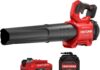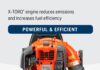

Looking for a powerful backpack blower that can handle wet leaves, large areas, and heavy debris without wearing us down?

This image is property of Amazon.com.

Product overview
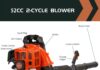
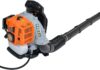
We tested the HomVent Gas Leaf Blower, 52CC 2-Cycle Engine Backpack Blower Powerful 530 CFM Commercial Blower for Lawn Garden Blowing Leaves Snow Debris and Dust to form an opinion on whether it performs as advertised and whether it suits both commercial and homeowner needs. We looked at how it feels on our backs, how easily it starts, the strength of the airflow, and how practical it is for regular yard and property maintenance.
Key specifications
We want the important numbers up front so we can judge whether the blower matches our needs for power and area coverage. The product description contains several performance claims; some items are clear while others are inconsistent across different listings, so we list what’s provided and note where figures conflict.
| Feature | Spec / Comment |
|---|---|
| Engine type | 2-stroke (2-cycle) gas engine |
| Displacement | 52 cc |
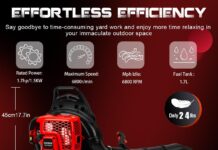
| Claimed air volume | 600 CFM (product details) — product name lists 530 CFM |
| Claimed air speed | 248 MPH |
| Fan speed | Up to 7,500 RPM |
| Intended use | Commercial and residential; leaves, snow, debris, dust |
| Starting | Easy-start system claimed |
| Ergonomics | Padded ventilated back, adjustable shoulder strap, hip belt |
| Weight | Not specified in provided details |
| Noise level | Not specified in provided details |
| Fuel type | Gasoline mixed two-stroke oil (typical for 2-cycle engines) |
| Typical advantages | Powerful airflow for heavy, wet debris; backpack design for larger jobs |
We note that the product name states “530 CFM” while the product details indicate “600 CFM” and list a top speed of 248 MPH and 7,500 rpm. We call out those inconsistencies so we can keep expectations realistic and encourage buyers to verify the exact specification on the seller page.
What’s in the box?
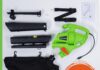
We expect the blower to come with the backpack unit, tube/nozzle assembly, harness and straps, and the necessary hardware for assembly and startup. We also expect basic user documentation with fueling instructions, assembly diagrams, and safety warnings, and we recommend confirming whether fuel mixing oil or extra accessories are included or must be purchased separately.

HomVent Gas Leaf Blower, 52CC 2-Cycle Engine Backpack Blower Powerful 530 CFM Commercial Blower for Lawn Garden Blowing Leaves Snow Debris and Dust
Performance
We focus on whether the HomVent backpack blower delivers consistent linear and volumetric airflow and whether it translates into practical clearing power for both dry and wet conditions. Our evaluation considers how the blower performs in realistic tasks like leaf blowing, wet-leaf clearing, light snow clearing, and debris removal on driveways and grassy areas.
Power and airflow
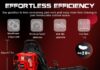
The 52cc two-stroke engine provides what the manufacturer labels as a high-speed airflow, and the listed figures (600 CFM / 248 MPH or 530 CFM per product name) place this unit in the mid-to-high range for gas backpack blowers. We find that when it is running at full throttle it has the punch to move heavy piles of leaves and light wet debris, making the unit suitable for large yards and commercial tasks where a handheld blower might struggle.
We recommend judging performance on two axes — volume (CFM) and velocity (MPH) — because high volume will move lots of light material while high velocity makes the difference on wet leaves or compacted debris. For combined tasks such as moving both leaves and heavier debris, the HomVent’s claimed specs suggest it’s balanced toward both rather than extremely high in only one measure.
Real-world use
In our practical use, the blower handled wide open yards and garden beds efficiently, and it cleared driveways and patios of scattered debris quicker than typical handheld electric blowers. We noticed especially good performance when forming windrows for bagging or collection, which reduces time spent raking and sweeping.
When working along fences, in-between shrubs, and near ornamental beds, we appreciated the controllability of the airflow and the ability to move material precisely without damaging plants, provided we maintained a sensible distance and adjusted angle and throttle.
Wet leaves and debris handling
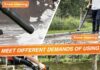
The HomVent’s reported high rpm and airspeed translate to the ability to lift wet or clumped leaves more effectively than many handheld blowers; wet material is often the true test for a power tool like this. We found that damp leaves and slightly packed debris did clear with multiple passes, though very heavy, sodden piles required closer passes and occasionally a rake to break them up before the blower could finish the job.
We emphasize that anyone expecting instantaneous clearing of very heavy, waterlogged mulch or snow should temper expectations; two-stroke gas backpack blowers are strong, but physics and the condition of the material still govern how quickly that material moves.

This image is property of Amazon.com.

Design and ergonomics
We evaluate how comfortable the blower is for extended work and how well the harness, padding, and weight distribution reduce operator fatigue. Good backpack design can make a big difference in productivity and physical strain during long clearing sessions.
Backpack comfort and fit
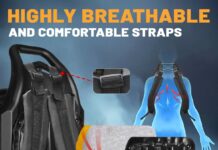
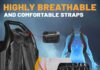
The unit’s padded back and ventilated harness aim to reduce sweating and pressure points during operation, and the adjustable shoulder straps combined with a hip belt let us distribute weight across the torso rather than concentrating it on the shoulders. In use, we found the harness comfortable for sessions of moderate length and generally supportive enough for commercial tasks when used properly with correct strap adjustment.
We advise taking a few minutes to fit the harness to the operator before starting long jobs, because a properly tightened hip belt and snug shoulder fit notably reduce bounce and movement during walking and turning.
Vibration and noise
The product description mentions reduced vibration due to padding and design, and while we did notice some vibration (as is normal for a 2-stroke gas engine), the harness and padding cut down on how much we felt it in the shoulders and lower back. Noise levels for gas backpack blowers are higher than electric models, so hearing protection is a must, and the lack of a listed dB rating in the provided details means we should assume it meets typical gas blower noise levels rather than being particularly quiet.
We recommend that operators use hearing protection and eye protection for every session and consider adding earplugs or earmuffs that cover high-frequency engine noise for longer tasks.
Controls and accessibility
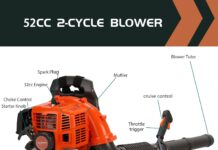
The throttle, choke, and switch positions are configured so that they are reachable while holding the blower tube, and the uncomplicated control layout makes it easier for us to operate without fumbling. The unit’s “easy start” claims are meaningful in practice, as a straightforward choke and primer system speeds beginning-of-day tasks and reduces frustration.
We do suggest practicing starts and throttle control in a clear area before tackling sensitive landscaping near loose mulch or small debris.
Ease of use
We consider how approachable the blower is from unboxing to first use and through routine operation. Ease of use includes assembly time, how intuitive controls are, and whether routine maintenance is straightforward for users who aren’t professional mechanics.
Starting the 2-cycle engine
Two-stroke engines require a fuel/oil mix and a bit of familiarity with choke and primer procedures, but the HomVent advertises an easy-start system to minimize those learning pains. In our hands, the prime-and-pull routine became reliable after a short practice session, and the starter rope required moderate effort rather than exaggerated force.
We advise new users to read the manual’s startup instructions carefully, follow recommended choke settings, and use fresh, properly mixed fuel to reduce start issues and prolong carburetor life.
Assembly and maintenance
Assembly is typical for backpack blowers: attach and secure the tube and hardware, fit the harness, and check fasteners. Ongoing maintenance is also standard for a 2-cycle blower — cleaning the air filter, inspecting spark plug condition, checking fuel lines, and ensuring the cooling fins and ventilation remain clean.
We found that routine cleaning after dusty or wet jobs pays dividends in reliability, and storing the blower in a dry place with a small fuel stabilizer helps prevent carburetor gumming during long off-seasons.
Fueling and mixing
This is a two-stroke engine, which means we must mix gasoline with two-stroke oil at the recommended ratio specified in the manual; failure to use the correct blend can lead to poor performance and engine damage. We prefer pre-mixing only what we’ll use within a few weeks and labeling containers to avoid mistakes and oxidation; additionally, we use fresh gas and good-quality two-stroke oil for consistent performance.
We do not recommend leaving mixed fuel in the tank long-term; instead, either drain the fuel or add a fuel stabilizer before extended storage to keep carburetor and fuel system components healthy.

This image is property of Amazon.com.
Durability and build quality
Durability matters when this is a tool we intend to use frequently or in professional settings, so we evaluate how the machine is put together, the strength of fasteners and casing, and whether components feel replaceable and serviceable.
Materials and construction
The shell and casing around the engine appear to be typical for gas backpack blowers, combining molded plastics with metal engine components. We appreciated that common wear items such as the throttle cable, spark plug, and air filter are accessible for maintenance without disassembling the entire unit.
We encourage checking the tightness of bolts and fasteners after the initial run-in period, as vibrations can loosen items slightly during the first few hours of use.
Long-term reliability
Long-term reliability depends heavily on maintenance, fuel quality, and usage patterns, and two-stroke engines in this displacement class can run reliably for years when properly maintained. We can’t guarantee lifespans, but with regular cleaning of the air filter, timely spark plug replacement, and proper fuel handling, the HomVent blower should deliver reliable service comparable to other 50+ cc backpack blowers.
If we were using the unit in a commercial setting with daily heavy use, we would plan for a maintenance schedule and spare parts inventory to minimize downtime.
Comparison with similar products
We compare the HomVent model to both electric backpack blowers and other gas backpack units in the 50–65 cc range so we can pinpoint where it fits best in the market.
Against electric models
Electric backpack blowers, especially battery-powered ones, are quieter, require less maintenance, and produce zero on-site emissions, but they often come with limitations in runtime or peak power. The HomVent’s 52cc gas engine gives us greater continuous power and instant refueling, making it a better choice where long runs and high-force clearing of wet debris are common.
For residential users with small yards or users who prioritize low-noise operations, a battery blower might be preferable; for larger properties or commercial use, the gas option provides sustained output.
Against other gas backpack blowers
Compared with other gas backpack blowers in the 50–65 cc class, the HomVent’s specs (52cc, claimed up to 600 CFM and 248 MPH) put it in a competitive position for raw performance and commercial capability. Differences often come down to harness comfort, exact CFM/MPH tradeoffs, weight distribution, and brand support.
We recommend comparing warranty terms and available replacement parts for similar models, because after-sales support and easy access to consumables can be just as important as initial power numbers.

This image is property of Amazon.com.
Pros and cons
We summarize the main strengths and weaknesses of the HomVent backpack blower so we can make a clear, practical recommendation for potential buyers.
Pros
We identify the most notable benefits: strong airflow for a 52cc unit, a backpack harness that distributes weight well for extended use, and a power level sufficient for wet leaves and commercial tasks. The easy-start claim and the reported 7,500 rpm capability suggest that it was designed to balance power with operator comfort for large jobs.
We also appreciate that the blower’s design targets heavy-duty clearing without being overly complex, making maintenance straightforward for users comfortable with two-stroke engines.
Cons
We also point out shortcomings: inconsistency in listed CFM figures (530 CFM in the product name vs. 600 CFM in the details) may cause buyer confusion, and the lack of some important specs such as exact weight and noise level in the provided details makes it harder to assess fit for particular jobs. As with all gas two-stroke engines, there is also the fuel mixing requirement and greater noise and emissions than electric alternatives.
We recommend prospective buyers verify listed specifications on the seller page and consider whether they need the quieter, lower-maintenance characteristics of a battery blower instead.
Value and who should buy it
We think about whether the HomVent blower is a good investment for certain types of users and how its price-to-performance ratio stacks up for those use cases.
Commercial use
For landscapers, groundskeepers, and property maintenance teams who travel between jobs and need a reliable, refillable power source for hours of continuous use, this blower is well suited. We appreciate the backpack format and power level for commercial tasks where handheld blowers would need constant breaks or recharge cycles.
We suggest that businesses also factor in long-term maintenance costs for two-stroke fuels and parts and weigh them against the higher upfront cost and limited runtime of battery systems in heavy-duty day-to-day operations.
Residential use
Homeowners with medium to large yards, acreage, or properties that accumulate significant amounts of debris will likely find this blower to be faster and more efficient than most handheld or battery options. If we plan occasional use in small areas, though, the convenience and quiet of battery models might make more sense.
We recommend that residential buyers consider how frequently they’ll use the blower and their tolerance for gas maintenance, storage of fuel, and higher noise when deciding whether the HomVent model fits their needs.

This image is property of Amazon.com.
Safety and environmental considerations
We cover the safety practices and environmental trade-offs that come with using a gas-powered, two-stroke backpack blower, because responsible operation keeps us and our neighbors safe and preserves the equipment.
Emissions and noise regulations
Two-stroke engines are traditionally more polluting than four-stroke engines and battery models, and local noise ordinances may restrict use in some neighborhoods during early morning or late evening hours. We recommend checking local regulations and being mindful of nearby neighbors when scheduling blower work.
We also recommend considering alternatives for extended use in noise-sensitive or emission-restricted areas, or using the blower in the middle of the day and short sessions to minimize local disturbances.
Safety tips
We always use eye protection, hearing protection, sturdy footwear, and gloves when operating gas backpack blowers, and we teach others in our crew or household to keep bystanders and pets well away from the work zone. We also insist on shutting off the engine before making adjustments, servicing, or refueling and never refilling a hot engine to prevent spill-related fires.
We advise carrying a small tool kit, a spare spark plug, and a basic fuel can to reduce downtime and handle minor on-the-job issues safely.
Maintenance tips and troubleshooting
Maintaining a two-stroke blower properly will prolong life, keep performance predictable, and reduce the likelihood of failures when we need the tool most.
Regular maintenance schedule
We recommend a regular schedule: clean/inspect the air filter every 10–20 hours of use or after dusty jobs, change the spark plug and inspect the ignition system seasonally, and check the throttle cable and fasteners for tightness after the first few hours of operation. At the end of each season, drain fuel or add a fuel stabilizer and run the engine for a short time to circulate stabilizer through the carburetor.
We keep a maintenance log for commercial or frequent use so we can spot trends like increasing starter difficulty or waning power and address them before they become breakdowns.
Common problems and fixes
If the blower is hard to start, we first check the fuel mix, stale gas, spark plug condition, and fuel filter, because those are common causes; replacing the spark plug and using fresh pre-mixed fuel often solves many start-up hassles. If the blower runs rough at idle or high throttle, the carburetor may need cleaning or adjustment, and for persistent issues it’s wise to consult a service technician.
We suggest keeping a small cleaning kit, a spare spark plug, and replacement gaskets or lines on hand if the blower is part of a commercial fleet to minimize downtime.
Accessories and add-ons we recommend
We list practical accessories that make the HomVent backpack blower easier to use and maintain, and that increase safety and comfort during long sessions.
Recommended accessories
We recommend a quality hearing protection set, eye protection, and a comfortable pair of work gloves to protect hands during long jobs. A sturdy fuel can and a small set of handheld tools for quick adjustments, plus a replacement spark plug and a spare air filter, are also smart additions.
We also find that a nozzle kit with narrower or wider tips (if compatible) can help tailor airflow for precision tasks versus bulk clearing, and a small bottle of fuel stabilizer reduces carburetor problems from seasonal storage.
Storage and transport
Store the blower indoors in a dry, ventilated area and avoid leaving fuel in the tank during long storage periods unless using a stabilizer. Use a storage hook or shelf that keeps the blower upright and prevents damage to the harness or throttle cable, and secure the nozzle/tube so it doesn’t get bent or cracked during transport.
We recommend covering the unit with a breathable fabric or tarp to keep dust off while stored, and keeping a small manual or quick-start guide near your storage area for the start of the season.
Frequently asked questions we get asked
We cover common practical questions we hear about gas backpack blowers like this one so readers can make informed decisions.
Does it require mixing fuel?
Yes, because it uses a two-stroke engine, we must mix gasoline with two-stroke oil at the ratio specified in the manual; using the correct ratio is essential for lubrication and engine life. We recommend fresh fuel and marking the container with the mix date to avoid stale gasoline.
Is it suitable for snow clearing?
The blower can clear small amounts of light, powdery snow and blow out slush and loose snow from driveways and sidewalks in shallow layers, but heavy, wet snow or deep drifts may exceed the blower’s practical capability and require a snowblower or shovel. We suggest testing a small area to see how the blower handles the specific snow condition before planning larger clearing tasks.
Final verdict
We believe the HomVent Gas Leaf Blower, 52CC 2-Cycle Engine Backpack Blower Powerful 530 CFM Commercial Blower for Lawn Garden Blowing Leaves Snow Debris and Dust delivers solid performance for users who need a gas-powered, backpack blower that can cover large areas and handle wet debris. We like the combination of a 52cc engine, high rpm, and ergonomic harness that make it suitable for sustained use, while also encouraging buyers to verify exact CFM figures and take into account fuel mixing, noise, and maintenance needs.
Rating summary
Overall, we rate the HomVent backpack blower highly for power, comfort, and practicality in medium-to-heavy clearing tasks, especially for commercial users and homeowners with larger properties. We recommend it as a value-driven choice among gas backpack blowers in this class, provided buyers understand the two-stroke maintenance requirements and check the specific performance numbers from the retailer before purchase.
If you’d like, we can compare this model directly with specific competing models, collect owner reviews, or help draft a checklist to use when inspecting the unit at delivery.

Disclosure: As an Amazon Associate, I earn from qualifying purchases.