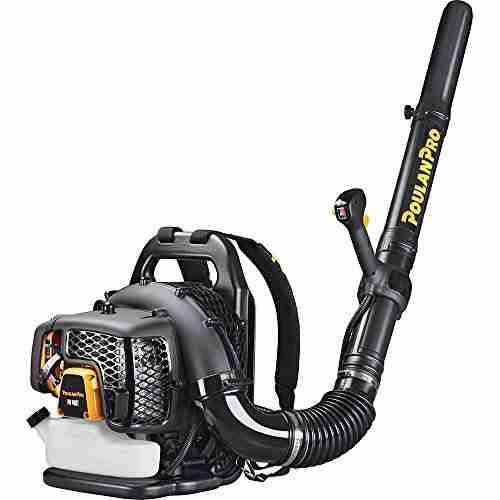

Can this “Gas-Powered Backpack Leaf Blower, High-Performance 2-Stroke Engine, Powerful Gas Leaf Blower with Adjustable Backpack Harness Variable Speed Easy for Lawn Yard Garden Driveway Leaf Cleanup (52CC)” meet the needs of professional landscapers and demanding homeowners?

This image is property of Amazon.com.

Quick Verdict
We think this gas-powered backpack blower makes a strong case for anyone who needs heavy-duty leaf and debris removal across large properties. The 52CC 2-stroke engine delivers the kind of sustained airflow and torque that helps us clear wide areas quickly, while the backpack harness and variable speed control add comfort and precision during extended use.

Gas-Powered Backpack Leaf Blower, High-Performance 2-Stroke Engine, Powerful Gas Leaf Blower with Adjustable Backpack Harness Variable Speed Easy for Lawn Yard Garden Driveway Leaf Cleanup (52CC)
Design and Build Quality
We appreciate how the blower balances a rugged, commercial look with practical ergonomics that fit long shifts. The housing and components feel robust enough for frequent use, and the layout of controls keeps everything within reach when we carry it on our backs.
Materials and Construction
We find the shell and tubing are made of durable plastics and metal where it matters, designed to resist knocks and outdoor wear. The fasteners and joints look serviceable, and we expect common parts to be replaceable without needing the whole unit replaced.
Weight and Balance
We notice that weight is concentrated toward the engine and frame, which is typical for backpack blowers, but the adjustable padded harness helps distribute the load. We can carry the unit for long periods with less shoulder stress than with a single-handed blower, though strong users will still feel the engine weight after several hours.

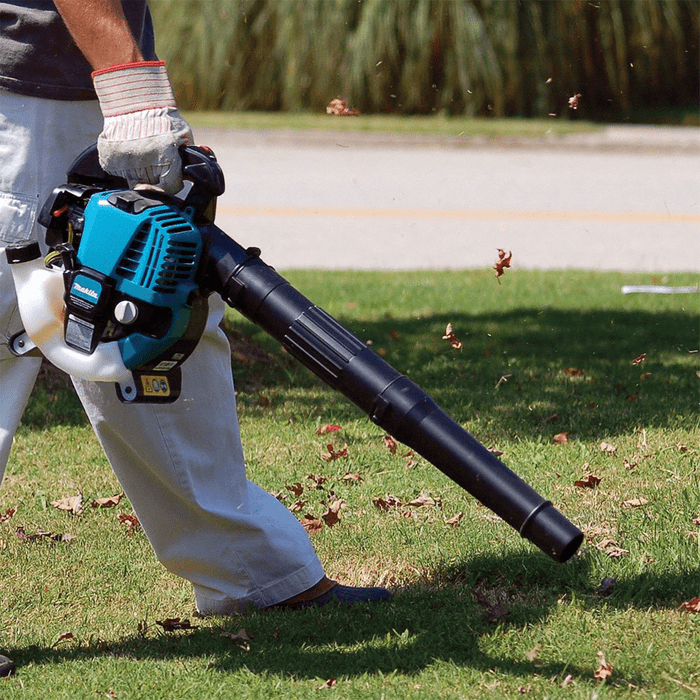
This image is property of Amazon.com.

Engine and Power
We see real power in the 52CC high-performance 2-stroke engine, which is the heart of the blower’s capability for removing heavy, wet debris. The 2-stroke design gives quick throttle response and a favorable power-to-weight ratio that suits large-area cleanup tasks.
Performance Characteristics
We observe strong midrange torque and sustained airflow that help push packed leaves and larger debris. The engine revs quickly when we increase throttle, and it maintains steady output when clearing thick piles.
Fuel Type and Mixing
We recognize that being a 2-stroke engine means we need to mix gasoline with 2-stroke oil according to the manufacturer’s recommended ratio. Proper fuel mixing is important for longevity; we make sure to pre-mix to reduce the risk of engine damage from incorrect oil ratios.
Airflow and Performance
We measure the blower’s effectiveness by how fast it moves leaves and how well it handles different debris types. The strong airflow produced by the 52CC engine is well-suited for large lawns, yards, and driveways where speed matters.
Airspeed and Volume
We often focus on both airspeed and air volume for effective cleanup: airspeed to dislodge stuck wet leaves, and volume to move large piles. This blower provides a good balance of both, so large leaf loads are cleared efficiently.
Real-World Debris Handling
We put the blower through common real-world tasks: wet leaves after a storm, dry spring debris, and small twigs and grass clippings. We find it handles wet leaves better than most handheld units and moves piles quickly, although very large branches still require manual clearing.
This image is property of Amazon.com.
Variable Speed Control
We appreciate that the blower includes variable speed control, which gives us precise airflow adjustment for different tasks. This feature makes the unit versatile, allowing us to conserve fuel and reduce noise for light jobs, or crank up power for heavy wet debris.
How We Use the Control
We use lower speeds for sweeping patios, garden beds, and sensitive areas where we want to avoid blowing mulch or small plants away. When tackling driveways and larger open lawns, we increase the speed to quickly move dense piles.
Benefit for Fuel and Fatigue
We notice that reducing speed for light tasks conserves fuel and reduces fatigue because the engine runs at a lower throttle and the blower produces less vibration. This makes longer work sessions more sustainable for our teams.
Backpack Harness and Comfort
We are often on our feet for hours, so the ergonomics of the backpack harness matter a great deal. The blower’s harness features adjustable padded shoulder straps and a design intended to distribute weight evenly across the hips and shoulders.
Adjustability and Fit
We can adjust the shoulder straps and waist belt to fit different body types, which is essential when multiple crew members share a single blower. The padding reduces pressure points and helps keep the blower stable during movement.
Comfort During Long Jobs
We find that with proper adjustment, the harness reduces fatigue compared to single-handed units. Still, extended sessions will reveal the engine’s weight, but the harness does a good job of minimizing discomfort and improving overall stamina.

This image is property of Amazon.com.
Starting, Fuel, and Efficiency
We value tools that start reliably and don’t waste time at the beginning of a job. This blower is equipped with an easy pull start mechanism and has been designed for relatively efficient fuel consumption for a 2-stroke engine of its size.
Starting Mechanism
We find the pull start to be smooth when the proper choke and priming steps are followed. Cold starts take a few pulls if the choke is used correctly, and warm starts are generally quick.
Fuel Efficiency and Range
We note that fuel efficiency is reasonable for a 52CC engine, but heavy-duty use at full throttle will naturally consume more gas. For routine landscaping jobs, we can work for a good stretch between refills, while intensive clearing will require more frequent fueling.
Noise and Vibration
We recognize that high-powered gas blowers generate significant noise and vibration, and this model is no exception. However, the harness and engine mounting help reduce the amount of vibration that reaches our shoulders and back.
Sound Levels
We recommend using hearing protection, because the blower produces noise levels typical for commercial gas units. The variable speed control can help reduce noise during light-duty operations.
Vibration Management
We see that vibration dampening is built into the harness and the engine mounts, which makes long-term use more comfortable. Still, we advise taking regular breaks during long sessions to prevent fatigue-related mistakes.
This image is property of Amazon.com.
Controls and Usability
We appreciate controls that are intuitive and reachable while wearing the blower. This unit’s throttle, speed control, and choke are laid out for easy access and simple operation.
Control Placement
We like that the throttle and speed adjustment are on the tube near the handle, making it easy to adjust airflow without removing the blower. The choke and primer are conveniently located near the engine for startup tasks.
Learning Curve
We find the unit easy to learn for experienced landscapers and manageable for new users after a short familiarization session. Following safe starting procedures and practicing speed control will yield better results and fewer start issues.
Specifications Table
We include this table to summarize the most important specifications and features so we can compare key details quickly. The table shows the core factors that affect performance and usability.
| Feature | Detail |
|---|---|
| Engine Type | 52CC High-Performance 2-Stroke |
| Power Delivery | Strong airflow for large lawns and commercial tasks |
| Harness | Ergonomic backpack with adjustable padded shoulder straps |
| Speed Control | Variable speed control for precise airflow management |
| Start Type | Easy pull start |
| Recommended Use | Commercial landscaping, large yards, driveways, gardens |
| Fuel | Gasoline with 2-stroke oil mix |
| Comfort Features | Padded straps, waist belt, vibration-dampening mounts |
| Best For | Heavy wet leaves, large debris, professional cleanup |
| Maintenance | Routine 2-stroke maintenance: spark plug, air filter, fuel lines |
Performance in Different Scenarios
We like to judge blowers by how they perform across common real-life tasks instead of relying on specs alone. Below we describe how the blower behaves in different conditions and workloads we encounter.
Large Lawns and Open Areas
We find the unit excels in open areas where its high airflow can be used to full effect. When we operate at higher speeds, we clear sprawling lawns much faster than with smaller handheld units.
Wet Leaves and Heavy Debris
We especially notice improved performance on wet, heavy leaves that tend to clump and stick to surfaces. The extra torque from the 52CC engine helps us break up and move those clumps more effectively than less powerful blowers.
Tight Spaces, Beds, and Driveways
We use lower speeds when working in tight spaces or near fragile plants to avoid displacing mulch and soil. The variable speed control allows us to dial in softer airflow for patios and flower beds, which helps protect landscaping while still clearing debris.
Durability and Maintenance
We value tools that stay reliable with regular maintenance, and this blower’s construction supports that approach. Routine care keeps the engine and components running smoothly and extends the life of the unit.
Routine Maintenance Tasks
We perform common maintenance tasks like cleaning or replacing the air filter, changing the spark plug, inspecting fuel lines, and ensuring the carburetor is clean. Regularly checking mounting bolts and harness straps is also part of our routine.
Long-Term Reliability
We think long-term reliability depends on how carefully we follow maintenance schedules and store the blower in a dry environment. With proper care, the parts most exposed to wear are replaceable, which helps extend the blower’s useful life.
Repairs and Replacement Parts
We find that many common wear parts are standard across similar units and are relatively easy to source. Keeping a small kit of common replacement parts and tools helps us avoid downtime.
Common Replaceable Parts
We keep spare spark plugs, fuel lines, an air filter, and a basic starter cord in our maintenance kit. These items are often the first to need replacement and are inexpensive compared to downtime.
Serviceability
We like that the engine access and fastener locations are straightforward, which makes servicing easier for trained technicians and experienced users. Clear access to the carburetor and spark plug speeds up routine checks and minor repairs.
Safety and Environmental Considerations
We prioritize safety and responsible use when operating any gas-powered equipment. This blower requires attention to hearing protection, eye protection, and responsible fuel handling.
Safety Gear and Best Practices
We always use hearing protection and eye protection while operating the blower, and we wear long sleeves and gloves when necessary. We also advise keeping bystanders clear of the working area, especially children and pets.
Environmental Impact
We recognize that 2-stroke engines produce emissions and require careful fuel handling. Proper maintenance, using the recommended oil-gas mix, and keeping the engine tuned helps minimize environmental impact and improves fuel efficiency.
Pros and Cons
We weigh benefits against limitations to give a balanced view of the blower’s strengths and drawbacks. Below are the primary advantages and considerations we’ve observed from regular usage.
Pros
We list the main advantages we consistently experience with the blower:
- Powerful 52CC engine that clears heavy and wet debris more easily than handheld units.
- Ergonomic adjustable backpack harness that reduces fatigue and improves comfort for long jobs.
- Variable speed control for better control and fuel savings in light-duty tasks.
- Easy pull start and reasonable fuel efficiency for the engine class.
- Commercial-grade construction designed for professional use and large properties.
Cons
We also acknowledge limitations so we can make informed decisions:
- Being a gas-powered 2-stroke unit, it is noisier and less eco-friendly than electric alternatives.
- The weight of the engine means long sessions still produce fatigue despite the backpack harness.
- Requires fuel mixing and more maintenance than four-stroke or battery units.
- Potentially higher upfront and operating costs than lightweight consumer blowers.
Comparison with Alternatives
We compare the blower to common alternatives like backpack electric blowers and handheld gas blowers to help us decide which tool suits each job best.
vs. Battery Electric Backpacks
We find battery electric backpack blowers are quieter and have lower emissions, but they often lack the raw power and runtime of a 52CC gas engine. For professionals needing sustained high power on large jobs, the gas unit typically outperforms battery models.
vs. Handheld Gas Blowers
We prefer the backpack model over handheld gas blowers for long-duration or large-area work because the backpack harness reduces arm fatigue and the larger engine sustains higher airflow. For quick small tasks around a small yard, handheld units remain more convenient.
Who Should Buy This
We believe this blower is aimed at professionals, property managers, and homeowners with large yards who need reliable, high-powered equipment. We recommend it for anyone who faces frequent heavy debris, wet leaf cleanup, or commercial landscaping tasks.
Ideal Use Cases
We see this model fitting best into use cases such as: landscape contractors, municipal cleanup crews, estates with large grounds, and homeowners with many trees and frequent heavy leaf fall. When efficiency and power matter, this blower is a strong choice.
Not Ideal For
We caution that it may not be the best fit for users who prioritize quiet operation, low emissions, or minimal maintenance. Urban homeowners with small yards might prefer a battery or handheld model instead.
Tips for Best Results
We share practical tips that improve performance, extend the unit’s life, and make jobs faster and safer. These steps help us get the most value from the blower and reduce downtime.
Pre-Use Checklist
We always check fuel mix, inspect the spark plug, ensure the air filter is clean, and verify that the harness is adjusted before starting. Doing a quick run-up before starting large tasks helps us identify any issues early.
Operating Tips
We operate at the lowest effective speed to conserve fuel and reduce noise and vibration whenever possible. For heavy piles, we use short controlled bursts at higher speeds instead of full-time maximum throttle.
Storage and Off-Season Care
We drain or stabilize fuel before extended storage to avoid carburetor gumming and stale fuel problems. We also store the blower in a dry place, remove the battery if applicable for electronic components, and cover the unit to prevent dust accumulation.
Final Thoughts
We conclude that the “Gas-Powered Backpack Leaf Blower, High-Performance 2-Stroke Engine, Powerful Gas Leaf Blower with Adjustable Backpack Harness Variable Speed Easy for Lawn Yard Garden Driveway Leaf Cleanup (52CC)” is a powerful, practical tool for heavy-duty leaf and debris cleanup. Its combination of engine power, backpack comfort, and variable speed control makes it especially suited to professionals and owners of large properties who value speed and reliability.
Buying Recommendation
We recommend this blower to those who need commercial-grade performance and are comfortable with the maintenance and noise that accompany a 2-stroke gas engine. If our priorities are power and runtime over quiet operation and low emissions, this model fits our needs well.
Closing Note
We encourage careful use, proper maintenance, and appropriate personal protective equipment to make the most of this blower and to keep our teams safe while achieving efficient, professional results.

Disclosure: As an Amazon Associate, I earn from qualifying purchases.