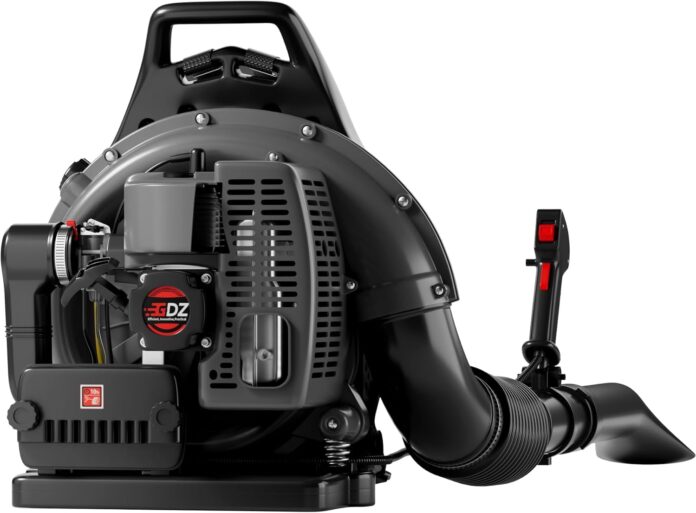
Looking for a powerful backpack leaf blower that can handle wet leaves, yard debris, and even light snow without wearing us out?
This image is property of Amazon.com.

Overview of the TDH Gas Backpack Leaf Blower
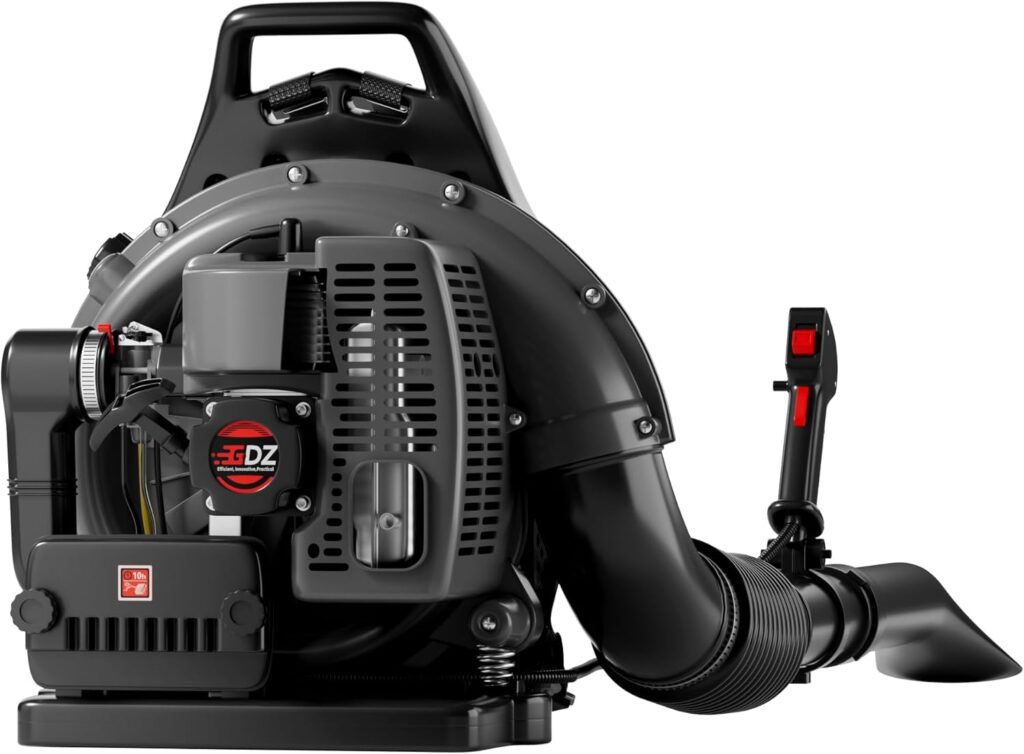
We find the TDH Gas Backpack Leaf Blower—2-Stroke Handheld-Class V Engine, 63 CC, High-Velocity 665 CFM—designed for demanding outdoor tasks and commercial use. The unit promises high airflow and speed, an ergonomic harness, and fuel capacity geared for longer sessions, so we’ll evaluate how those claims translate to real-world use.
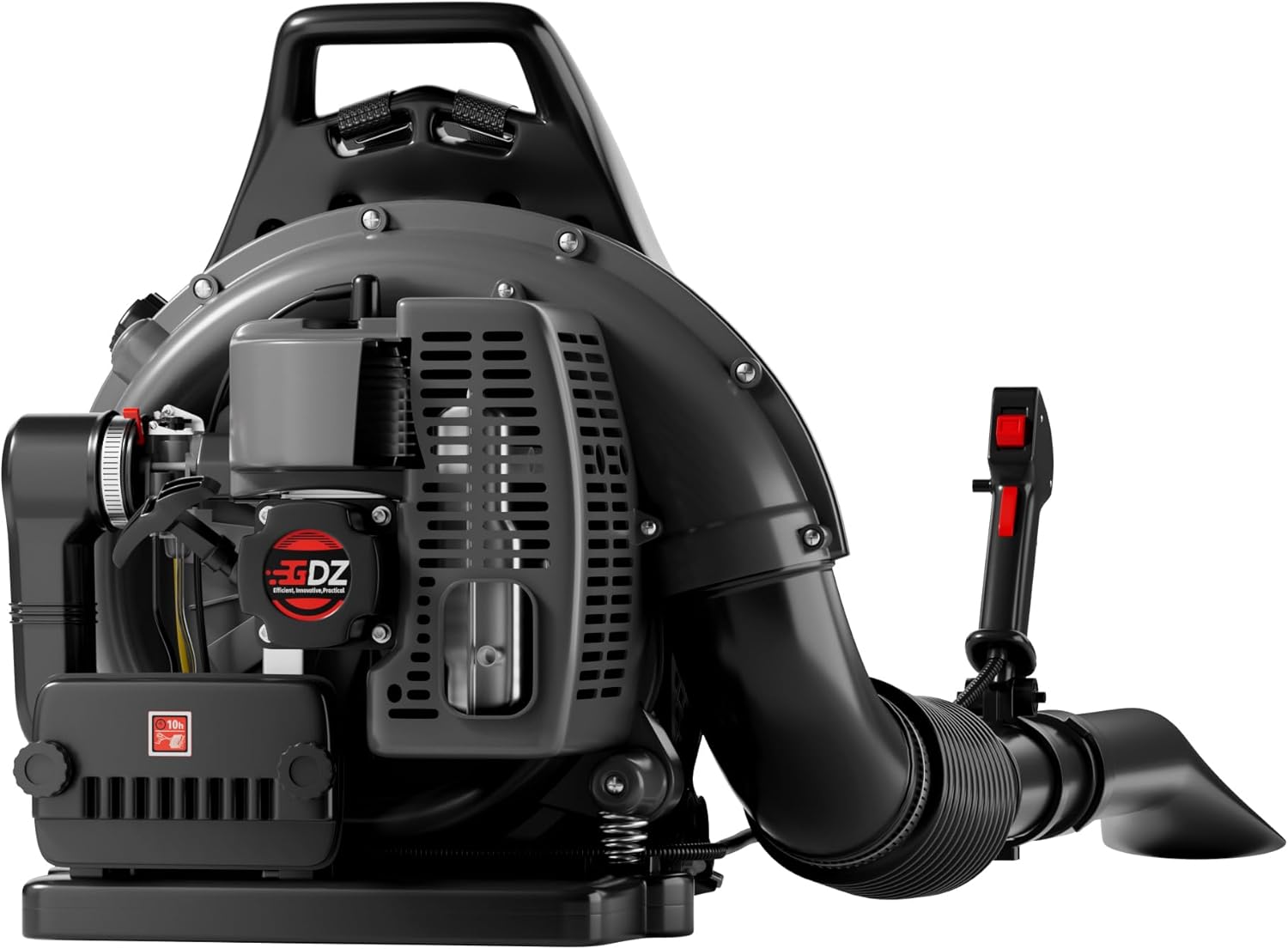
TDH Gas Backpack Leaf Blower - 2-Stroke Handheld-Class V Engine, 63 CC, High-Velocity 665 CFM, Ergonomic Design for Commercial Lawn Care, Yard Debris & Snow, Gray
Quick Spec Summary
We want a clear snapshot before going into details, so we’ve organized the core specifications for quick reference. The table below breaks down the most important numbers and design highlights at a glance.
| Specification | Detail |
|---|---|
| Model | TDH Gas Backpack Leaf Blower – 2-Stroke Handheld-Class V Engine |
| Engine Displacement | 63 CC |
| Engine Type | 2-stroke |
| Airflow | 665 CFM |
| Air Velocity | 205 MPH |
| Fuel Tank Capacity | 1.8 L |
| Recommended Mix | 25:1 initial run-in; other ratios supported |
| Design | Backpack with padded harness and adjustable handle |
| Applications | Commercial lawn care, yard debris removal, light snow clearing |
| Color | Gray |
Performance Overview
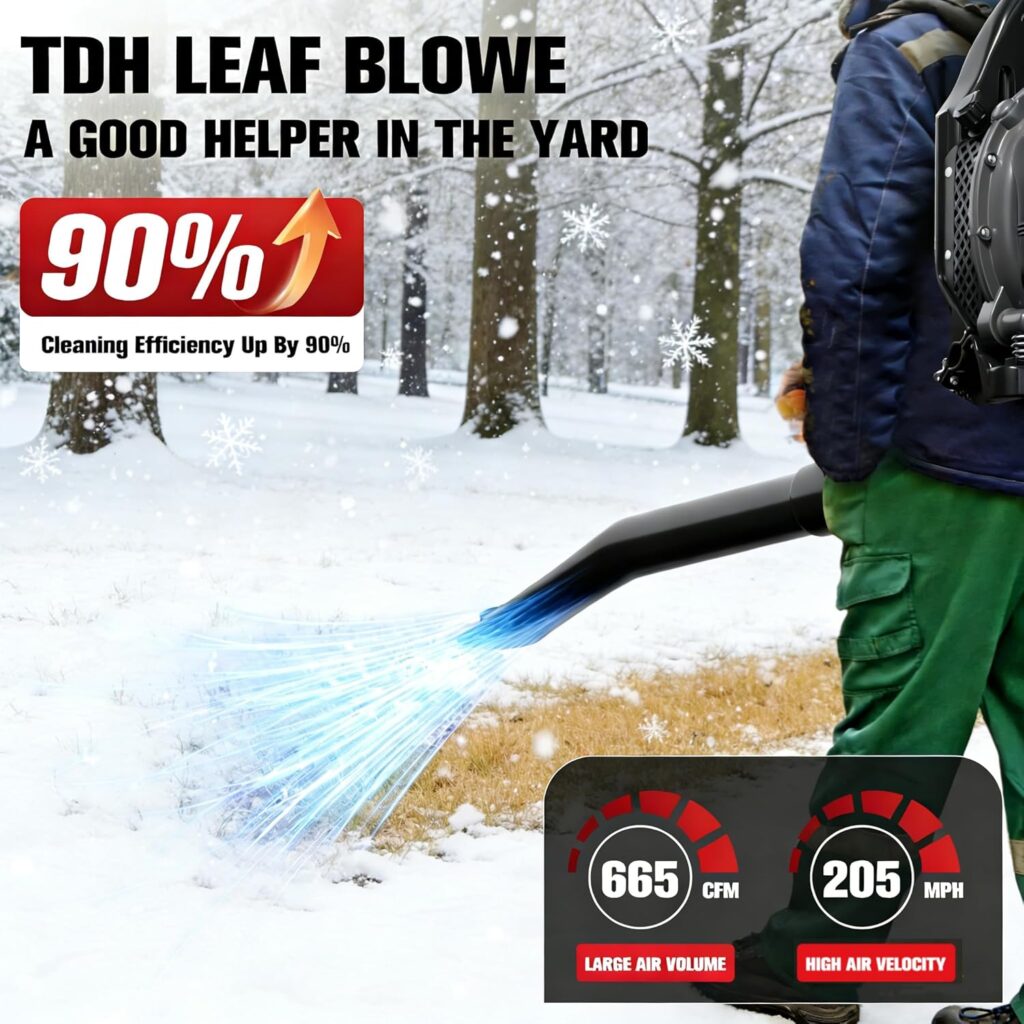
We’re impressed by the raw numbers: 63 cc and 665 CFM paired with 205 MPH give the TDH a lot of momentum for moving heavy or wet material. These specs indicate it’s built to reduce cleanup time significantly on larger properties and commercial spaces.
This image is property of Amazon.com.

Engine and Power Delivery
We appreciate the 2-stroke 63 CC engine because it balances power and relatively lighter package weight for a backpack blower. The engine produces strong, immediate thrust which makes clearing dense piles and wet leaves far less time-consuming than lower-displacement models.
Throttle Response and Power Band
We notice that throttle response is immediate and linear, so we can apply more power quickly when tackling stubborn debris. The power band sits comfortably in the mid-to-high rev range, which is useful for short bursts of maximum clearing force.
Run-in and Mix Recommendations
We follow the manufacturer’s advice to use a 25:1 oil-to-gas ratio during the initial run-in period to ensure proper seating and longevity. After the run-in, the blower supports more conventional ratios depending on the oil used, which helps us balance fuel economy and engine longevity.
Airflow and Velocity in Use
The TDH’s 665 CFM performance combined with a 205 MPH top speed turns out to be effective for both sweeping large open areas and directing piles into manageable heaps. We can clear expansive lawns or parking lots more quickly than with many backpack competitors.
Real-World Clearing Capacity
In practice, we find the blower handles wet leaves and compacted debris well, and it can throw light snow for short distances. The high CFM helps move lots of material at once while the velocity focuses that airflow for more precise control of piles and narrow corridors.
Comfort and Ergonomics
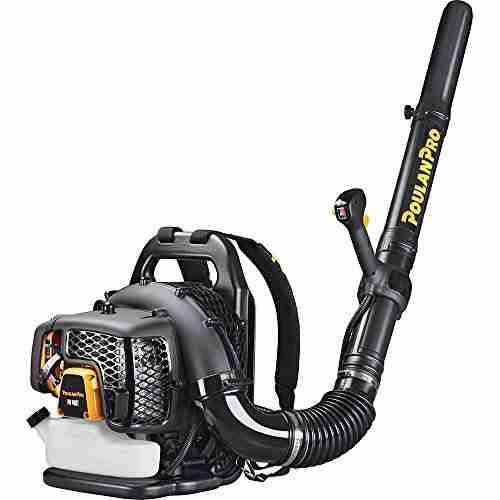
We value an ergonomic harness and adjustable handle because long jobs can cause fatigue. The TDH’s padded harness and adjustable handle reduce strain on our shoulders and lower back, letting us work for longer periods without frequent breaks.
Harness and Fit
The padded harness distributes weight across shoulders and hips, reducing pressure points. We can fine-tune the fit for different operators, which is especially helpful for teams with varying body types.
Vibration Dampening
Low-vibration technology is a highlight; it reduces hand and arm fatigue, making it easier to maintain control during extended tasks. We notice less tingling and overall stress when compared to older high-vibration blowers.
This image is property of Amazon.com.
Handling and Controls
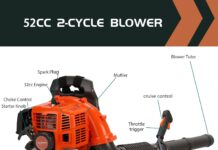
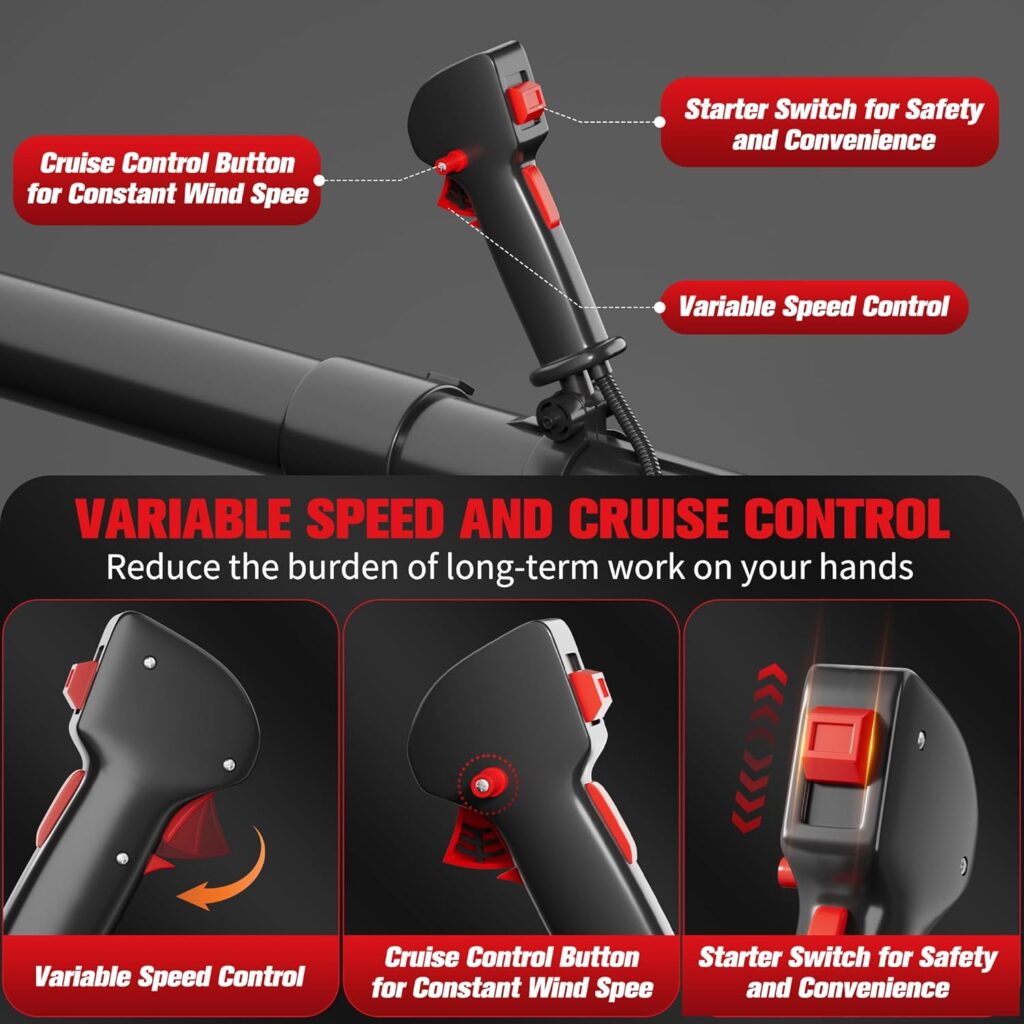
We like intuitive controls and a well-balanced center of gravity on a backpack unit. The TDH features easy-to-reach throttle and choke controls, and the blower tube is manageable and stable, giving us confidence in precise maneuvers.
Tube Maneuverability
The blower tube stays steady even at high rpm, which makes targeted clearing near plant beds or delicate landscaping straightforward. The handle position helps us keep a consistent angle and airflow direction during long passes.
Ease-of-Use Features
Start-up and routine operation are user-friendly: the choke, primer (if equipped), and throttle are arranged logically. For teams that rotate operators, this simplicity reduces training time.
Fuel Efficiency and Runtime
The 1.8 L fuel tank is a practical size for extended sessions, balancing weight and runtime. With the recommended mix and sensible throttle management, we can clean multiple lots or maintain a medium-sized property before refueling.
Fuel Management Tips
We recommend planning jobs in sections so we avoid running dry mid-task. Carrying a small, labeled fuel container with properly mixed gas-oil ensures we can refill quickly and keep productivity high.
Mix Ratios and Long Runs
Using the suggested 25:1 ratio during break-in improves engine reliability. After the run-in period, checking the owner’s manual for recommended ratios allows us to optimize for fuel economy if we need longer runs between fills.
Noise and Vibration Considerations
Backpack blowers are inherently noisy, and the TDH is no exception, but the low-vibration features make extended use more comfortable. We still advise hearing protection during operation to protect our hearing and comply with workplace safety standards.
Decibel Expectations
We should expect high sound pressure—typical of commercial-grade blowers—so earmuffs or high-NRR earplugs are essential when using the unit for extended periods. This also helps communication when multiple crew members work nearby.
Vibration Reduction Benefits
Reduced vibration not only improves operator comfort but also enhances control and reduces the risk of repetitive strain injuries. The TDH’s damping is effective enough to be noticeable after even an hour of continuous use.
This image is property of Amazon.com.
Assembly and First-Time Setup
We like machines that are straightforward to assemble, and the TDH delivers on that front. Most users will need to attach the tube, adjust the harness, and prepare the fuel mix before the first start.
Step-by-Step First Start
We recommend these steps for a smooth first start: 1) Read safety and fuel instructions, 2) Mix fuel at the recommended 25:1 ratio for the initial run-in, 3) Fill the 1.8 L tank carefully, 4) Attach and adjust the harness and handle, 5) Prime and choke as directed, 6) Follow recommended warm-up procedures. These steps help prevent startups issues and protect the engine.
Break-In Procedure
We advise running the blower at varied throttle levels during the first several tanks to allow components to seat properly. This break-in routine optimizes long-term performance and reduces the likelihood of early repairs.
Maintenance Schedule and Care
We prefer regular, simple maintenance routines that keep a machine reliable and reduce downtime. The TDH benefits from periodic checks of the air filter, spark plug, fuel lines, and general harness integrity.
Daily and Weekly Checks
Before each use we inspect for loose screws, fuel leaks, and clogged intake screens. Weekly checks should include air filter cleaning and spark plug inspection, and we recommend replacing the spark plug or air filter according to usage intensity or owner’s manual intervals.
Long-Term Maintenance
For season-long care, we flush old fuel, clean the carburetor if starting is inconsistent, and re-torque key fasteners. These practices preserve engine health and extend the unit’s useful life.
Troubleshooting Common Issues
We bring practical fixes for common problems so we can get back to work quickly without costly service calls. Issues like hard starting, loss of power, or increased smoke usually have straightforward causes.
Start-Up Problems
If the blower is hard to start, we check the fuel mix (old or incorrect mix is a frequent culprit), verify the choke and primer usage, and confirm the spark plug condition. Cleaning or replacing a fouled plug often remedies start-up issues.
Power Loss and Uneven Performance
Loss of power can stem from a clogged air filter, dirty carburetor, or fuel line obstruction. We recommend cleaning the air filter, using fresh fuel, and inspecting the carburetor for varnish buildup if symptoms persist.
This image is property of Amazon.com.
Safety Tips and Best Practices
We take safety seriously and follow best practices to protect operators, bystanders, and property. Proper PPE, situational awareness, and tool handling make a big difference in preventing accidents.
Personal Protective Equipment (PPE)
We always wear hearing protection, eye protection, gloves, long pants, and sturdy footwear when operating the TDH. These items help mitigate noise hazards, debris strikes, and slips.
Operational Safety
Maintain a safe distance from people, pets, and fragile objects. Work with the wind at our back where possible to reduce blowback and keep the blower pointed away from exhaust vents, open flames, or hot surfaces when refueling.
Use Cases and Seasonal Applications
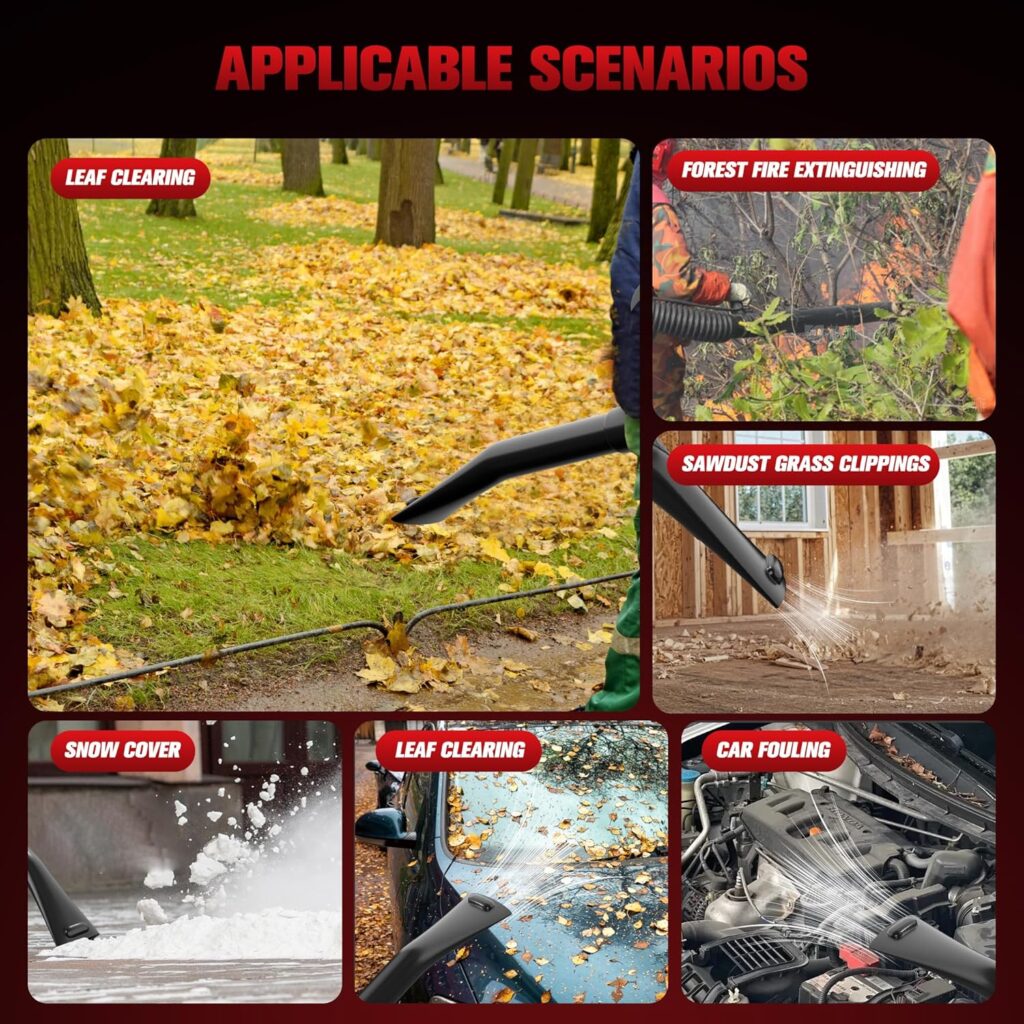
We find the TDH excels in multiple scenarios: commercial landscape maintenance, municipal cleanup, homeowner large-lot work, and light snow clearing. Its high CFM and velocity make it versatile across seasons.
Autumn and Leaf Management
During leaf season, the blower moves wet and compacted piles quickly compared with many handheld units. We use the high airflow to consolidate leaves into manageable heaps for collection.
Spring Cleanup and Dust
In spring, the TDH clears grass clippings, seed pods, and dust from sidewalks and driveways efficiently, making it valuable for landscape crews preparing properties for the season.
Light Snow Clearing
For light, powdery snow, the TDH can be effective for sidewalks and small driveways, though wet, heavy snow will limit reach and require more passes. We recommend using broad sweeping motions for consistent clearing.
Comparisons to Similar Models
We compare the TDH against other commercial backpack blowers to see where it stands in power, comfort, and value. Many established brands have offerings in this class, but the TDH competes well on raw airflow and price-to-performance.
Power and Airflow Comparison
The 665 CFM and 205 MPH metrics place the TDH solidly in the commercial category alongside other 60–65 cc units from reputable manufacturers. We find that it offers comparable clearing force with competitive ergonomics.
Comfort and Ergonomics Comparison
Where the TDH stands out is in harness comfort and vibration management compared to some budget commercial models. This makes it a compelling alternative for teams that spend many hours on the blower each week.
Pros and Cons (Honest Assessment)
We want to give a balanced view so buyers can make informed choices. The TDH has clear strengths in power and comfort, but like any tool, it carries trade-offs to consider.
Pros
- Strong 63 CC 2-stroke engine with immediate power delivery.
- High airflow (665 CFM) and 205 MPH velocity for effective debris movement.
- Padded harness and adjustable handle reduce operator fatigue.
- 1.8 L fuel tank minimizes refueling interruptions.
- Low-vibration design enhances long-duration comfort.
- Versatile for leaves, yard debris, and light snow.
Cons
- Noise levels are high—ear protection is mandatory.
- Two-stroke engines require mixing fuel and routine carb maintenance.
- Heavy for some users, especially those not accustomed to backpack units.
- Wet, heavy snow or extremely compacted debris may still require multiple passes.
Accessories and Add-Ons We Recommend
We find a few accessories greatly improve daily use and safety. Investing in the right extras makes the TDH more versatile and easier to integrate into professional workflows.
Recommended Accessories
- High-NRR earmuffs or quality earplugs for hearing protection.
- Spare spark plugs and a cleanable foam air filter for field maintenance.
- A well-labeled fuel jug and mixing bottle for consistent oil ratios.
- A soft carry bag or cover to protect the harness and components during storage.
Optional Upgrades
If available, consider aftermarket vibration-reducing components or an upgraded padded harness for even longer shifts. Some users also prefer a replacement tube with an ergonomically shaped handle.
Buying Advice and Warranty Considerations
We advise checking warranty terms and local parts availability before purchase. A good warranty and accessible spare parts can be crucial for commercial operators who rely on their blower for daily revenue.
Warranty and Support
Confirm the length of warranty and what it covers—especially engine and frame components. If the seller or brand offers a local service network, that adds significant value for busy teams.
Price-to-Value Assessment
We believe the TDH represents a strong value when considering performance metrics and comfort features. For teams needing commercial-grade capacity without the highest-end brand premium, it’s an attractive option.
Troubleshooting Checklist (Quick Reference)
We like practical checklists we can follow on-site to resolve common problems quickly. Below are quick fixes and checks we repeatedly use to keep downtime to a minimum.
- No start: Check fuel mix, spark plug, and choke/primer position.
- Weak power: Inspect air filter, fuel filter, and carburetor cleanliness.
- Excess smoke: Verify oil mix ratio is correct and not over-oiled.
- Vibrations increase: Tighten loose mounts and inspect harness attachments.
Storage and Off-Season Care
We store the TDH properly to maintain engine health and reliability for the next season. Proper storage prevents fuel-system varnish and protects mechanical parts from corrosion.
Short-Term Storage
When taking breaks during a workday, store the blower in a shaded, ventilated area and secure the unit to prevent tipping. Avoid leaving fuel in the tank for extended pauses.
Long-Term/Off-Season Storage
For longer storage, run the fuel tank dry, fog the engine with recommended storage oil, remove the air filter for cleaning, and store the unit in a dry place. These steps protect carburetor internals and seals.
Who Should Buy the TDH Gas Backpack Leaf Blower
We recommend the TDH for commercial landscapers, municipal crews, and large-property owners who need powerful, reliable cleanup tools. It’s most suitable for users who expect extended runtime and value ergonomic comfort.
Not Ideal For
We advise lightweight or occasional users to consider simpler handheld models, since the TDH’s power and two-stroke maintenance needs are geared more toward frequent and heavy-duty use.
Final Recommendation and Verdict
We find that the TDH Gas Backpack Leaf Blower is a compelling choice for professionals and heavy-duty homeowners who prioritize power and operator comfort. With a strong 63 CC engine, 665 CFM airflow, and thoughtful ergonomics, it cuts cleanup time and reduces operator fatigue during long shifts.
We recommend purchasing the TDH if you need commercial performance without the highest brand premium, and if you’re comfortable with two-stroke maintenance routines and appropriate PPE for noise. Regular maintenance, correct fuel mixing, and sensible storage will keep this unit working reliably for many seasons.
Closing Notes and Practical Tips
We always suggest testing the blower in a controlled area before full deployment to get used to the throttle, harness adjustment, and airflow characteristics. Small setup steps—like mixing the fuel correctly, fine-tuning the harness, and practicing safe handling—deliver the biggest improvements in efficiency and operator comfort.
If you’d like, we can provide a printable checklist for first start, regular maintenance, and seasonal storage to help keep your TDH working at peak performance.

Disclosure: As an Amazon Associate, I earn from qualifying purchases.