
Looking for a compact cordless leaf blower that actually makes yard cleanup quick and painless?

Product Overview
We want to give a clear snapshot of the WORKPRO Cordless Leaf Blower, 20V Battery Powered Leaf Blowers for Lawn Care, 2-Speed Control Lightweight Mini Electric Leaf Blower with Battery and Charger so you can decide whether it fits your needs. This overview covers what the tool promises and how it performs in everyday tasks.
Key Features
We’ll highlight the features that matter most: motor power, battery, weight, and portability. Each point is focused on how it affects real-world use so you can assess its value quickly.
| Feature | Specification / Benefit |
|---|---|
| Model | WORKPRO Cordless Leaf Blower, 20V Battery Powered |
| Motor Performance | Up to 130 MPH wind speed / 150 CFM airflow |
| Speed Settings | 2-speed control for variable performance |
| Battery | 20V, 2.0 Ah (included) |
| Run Time | Up to 18 minutes on high, up to 40 minutes on low |
| Weight | 2.54 lbs (unit only) |
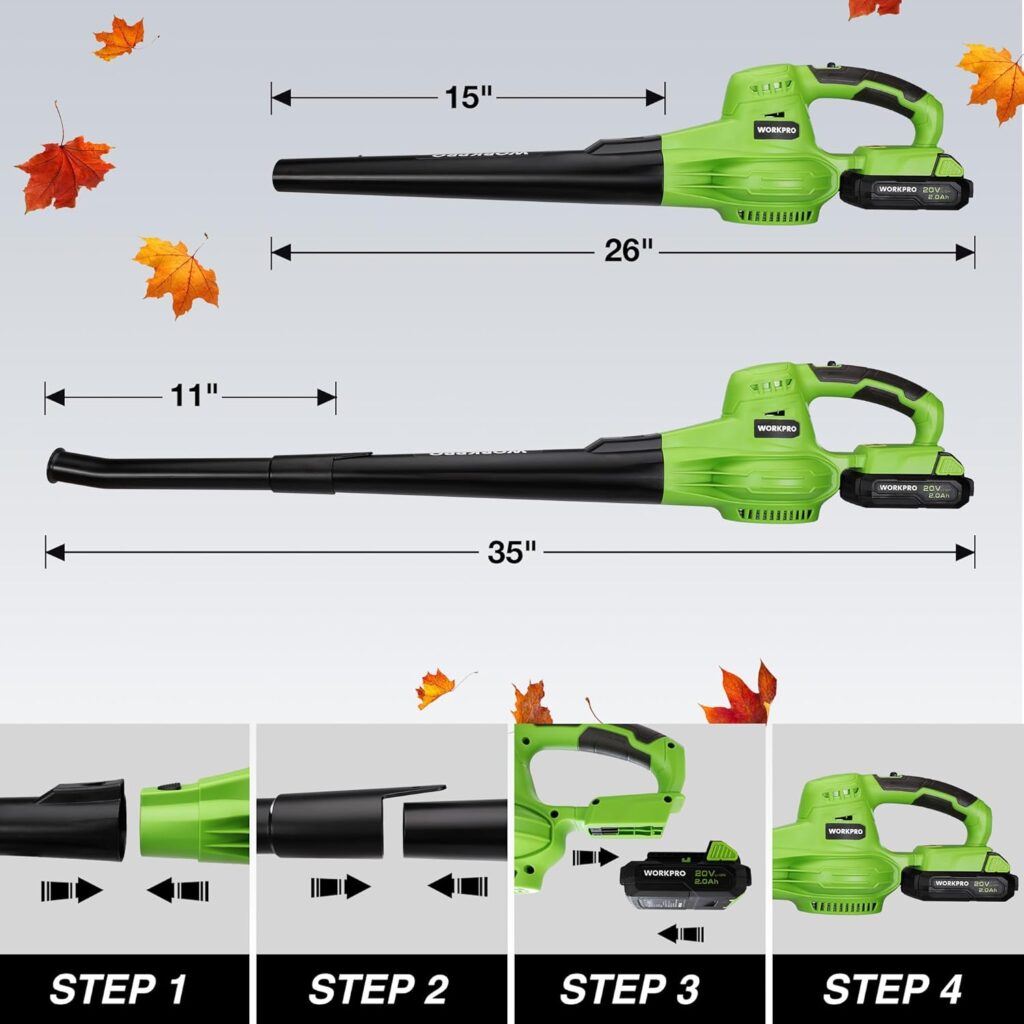
| Length | 26 inches (minimum) to 35 inches (with extension) |
| Design | Cordless, one-hand operation, 11-inch extension tube included |
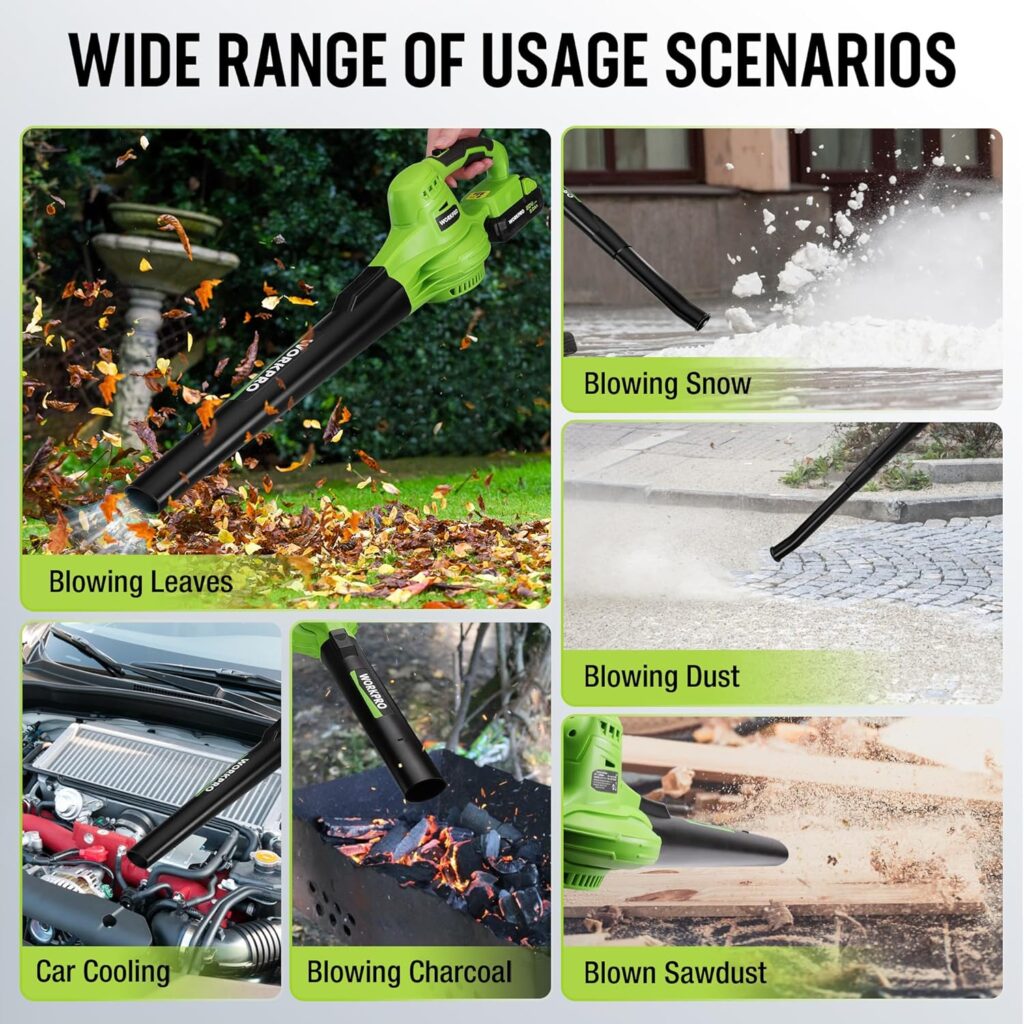
| Ideal For | Lawns, driveways, sidewalks, decks, patios, grills, porches, gardens |
What’s in the Box
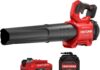
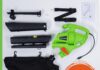
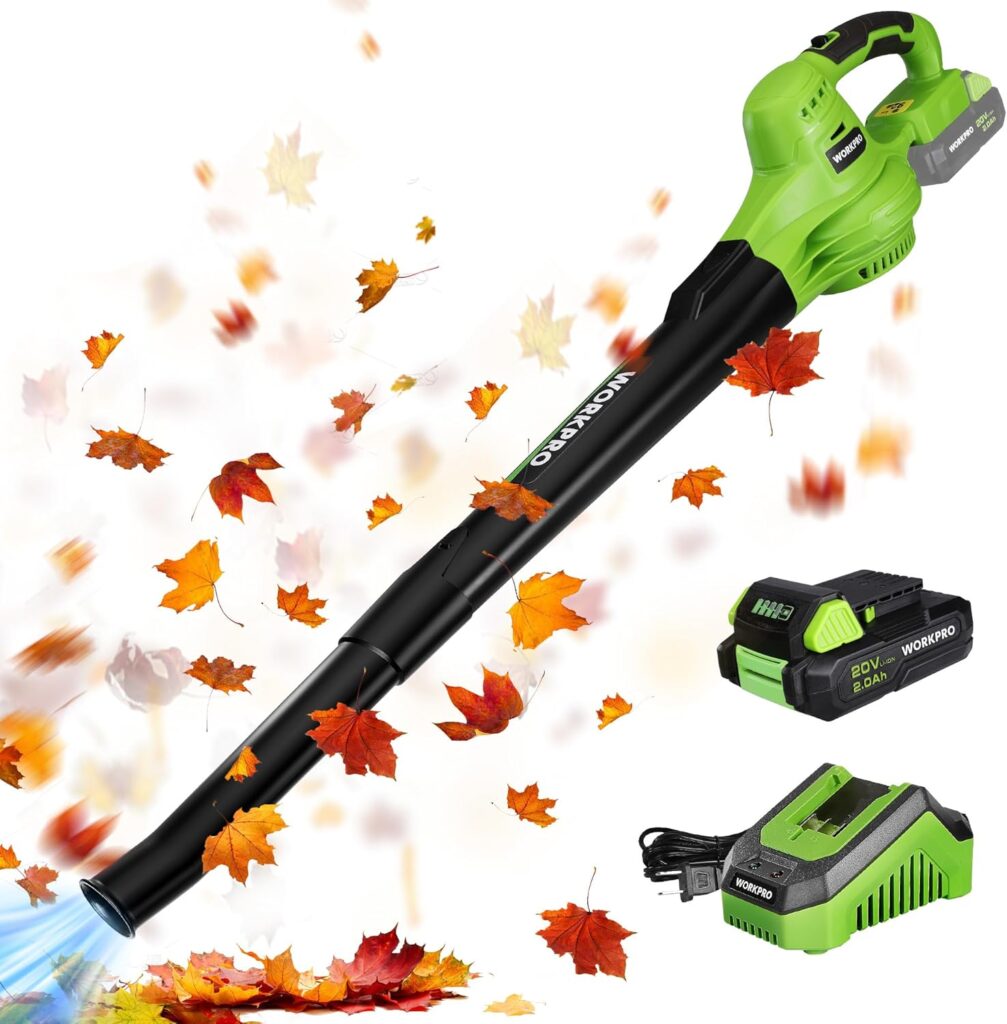
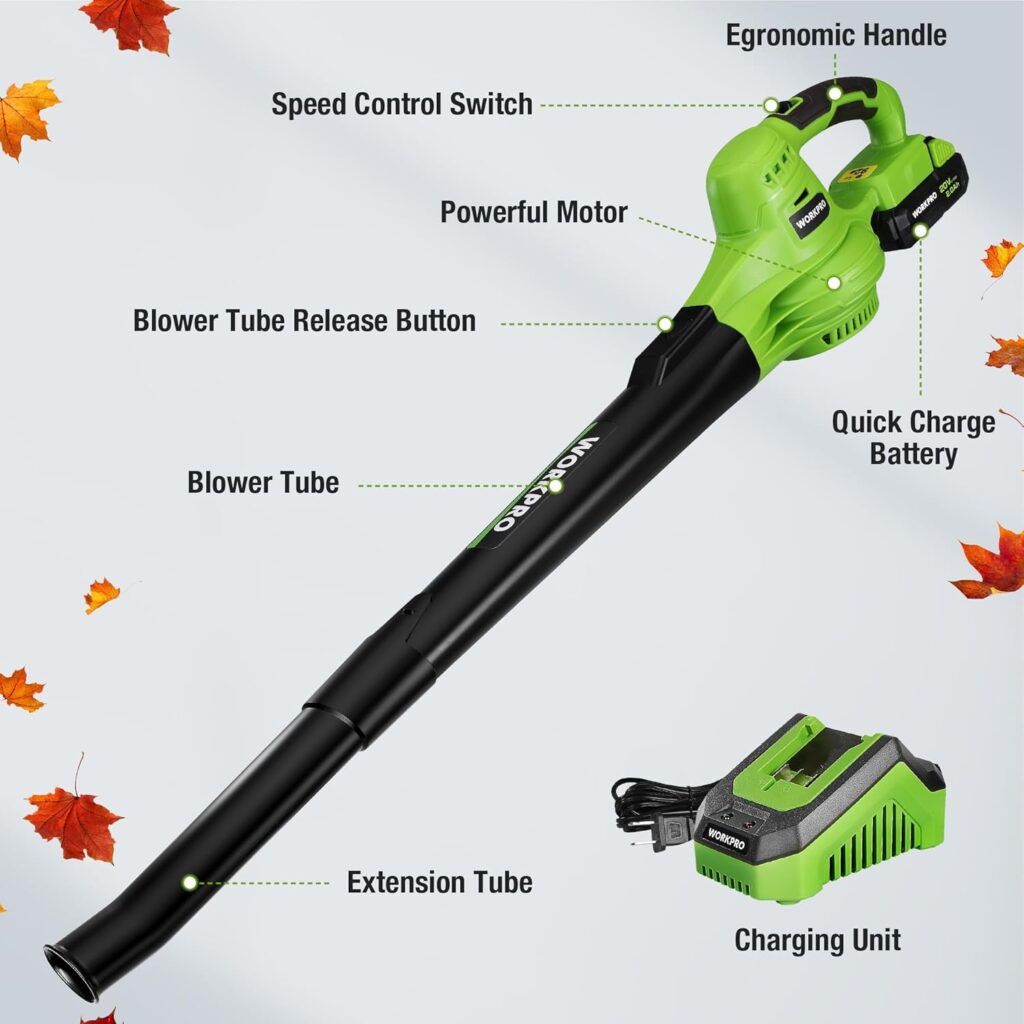
We find the included components are straightforward and useful for most home users. The package typically contains the leaf blower unit, the 2.0 Ah battery, a charger, and the 11-inch extension tube to increase reach and improve handling.

WORKPRO Cordless Leaf Blower, 20V Battery Powered Leaf Blowers for Lawn Care, 2-Speed Control Lightweight Mini Electric Leaf Blower with Battery and Charger
Performance
We want to judge how well the WORKPRO blower moves leaves and debris, and whether its specs translate into practical performance. Performance is where many buyers decide whether a small cordless blower will meet their needs.
Motor Power and Airflow
We appreciate that the WORKPRO’s motor is designed to produce up to 130 MPH and 150 CFM, which is competitive for small cordless blowers. In practice this means it can move dry leaves and light debris efficiently on low settings and handle more stubborn piles on high.
Real-World Use Cases
We use this blower for typical suburban tasks like clearing leaves from lawns, sweeping sidewalks, cleaning patios, and blowing debris off driveways. It performs best on light to moderate leaf loads, small twigs, and grass clippings; heavy, wet, or compacted piles take more time and effort.
Speed Settings and Control
We like the simplicity of the 2-speed control: low for conserving battery and doing light cleanup, high for more aggressive clearing. The switch is easy to operate and provides predictable changes in airflow and run time.
This image is property of Amazon.com.

Battery and Runtime
We believe battery life is one of the most important considerations for a cordless blower, and the WORKPRO’s 2.0 Ah battery offers a balance between weight and runtime for short to medium tasks.
Charging and Battery Life
We’ve seen the battery provide up to 18 minutes on high and up to 40 minutes on low, which matches the manufacturer’s claims under light-to-moderate load conditions. Charging time is typical for 2.0 Ah cells; plan around the runtime when scheduling multi-area cleanups.
How Much Can You Do on a Charge?
We estimate that one full charge is enough for a small yard or several focused tasks: clearing a driveway, sweeping a porch, and tidying a garden bed. For larger properties or longer sessions, having a spare battery or scheduling breaks for charging will keep productivity steady.
Design and Build
We like that the WORKPRO blower emphasizes lightweight design and portability, making it accessible for users who prefer simple, low-fatigue tools.
Weight and Portability
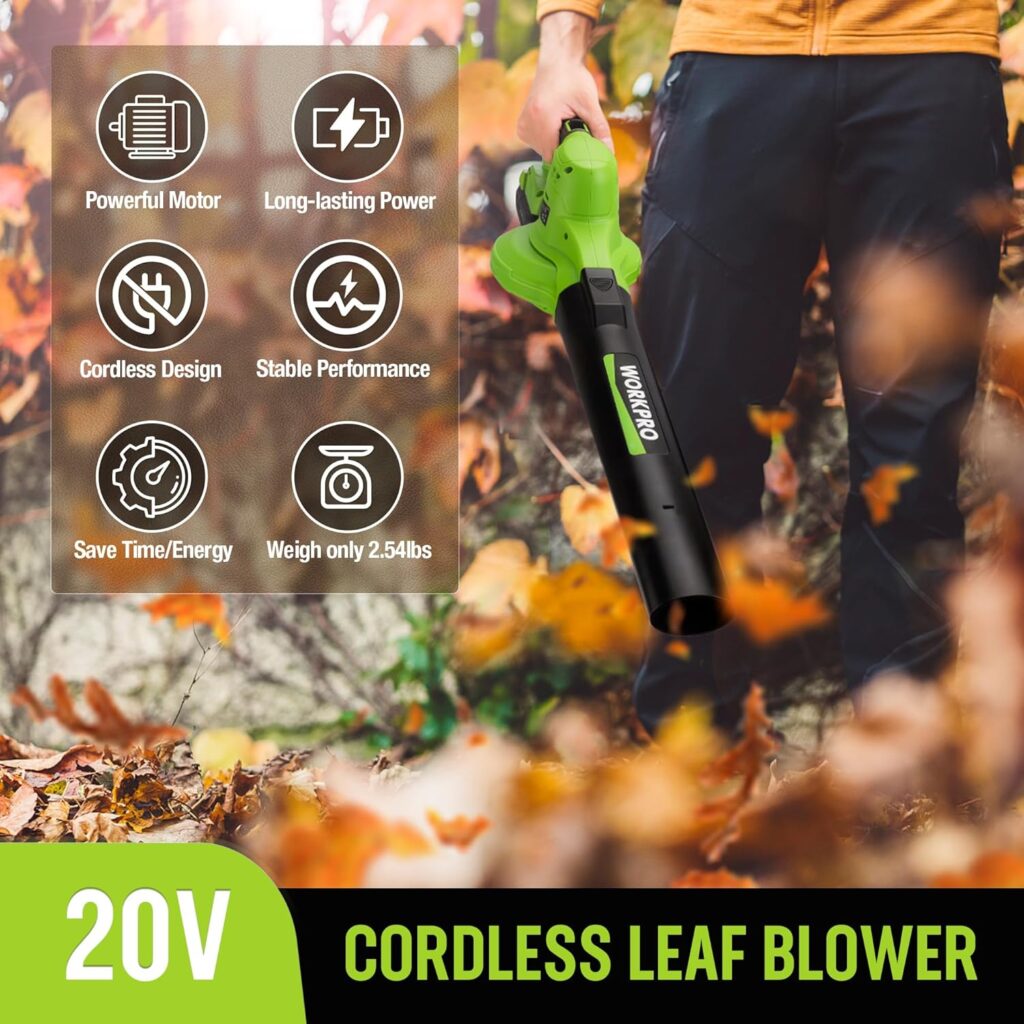
At 2.54 lbs the blower feels very light in hand, which reduces arm fatigue during longer sessions. The cordless format means we can move freely around the yard without tripping over cords or finding outlets.
Ergonomics and Handling
We find the one-hand operation comfortable for most people, and the handle shape offers a secure grip. The balance is generally good, though longer users may notice some front-heaviness when the extension tube is attached.
Extension Tube and Reach
The included 11-inch extension tube extends the total length to between 26 and 35 inches, which helps reach under shrubs and around planters. The extension snaps on easily and improves directional airflow when blowing stubborn piles.
This image is property of Amazon.com.
Usability
We think the WORKPRO is designed for straightforward, no-fuss operation tailored to homeowners and casual users. Usability focuses on assembly, controls, and how easy the tool is to operate day-to-day.
One-Hand Operation
We appreciate the one-hand operation; it lets us multitask or carry other items while cleaning. The trigger and speed control are accessible and respond well to our finger pressure, so fine adjustments are simple.
Assembly and Storage
Assembly is minimal and intuitive—attach the extension tube, insert the battery, and you’re ready to go. Storage is easy thanks to the compact size; it fits on a garage shelf or hooks on a pegboard without taking up much room.
Noise and Environmental Impact
We believe noise and environmental considerations often guide the decision to choose cordless electric models over gas units, especially in residential neighborhoods.
Noise Levels Compared to Gas Blowers
We notice that the WORKPRO is significantly quieter than gas blowers, making it more neighbor-friendly and suitable for noise-restricted areas. While not silent, it’s comfortable to use for extended periods without ear protection in many cases; however, caution around sensitive neighbors is still wise.
Environmental Benefits
We value the environmental benefits: zero direct emissions during use, no gasoline or oil handling, and reduced maintenance compared to gas engines. The electric motor and battery reduce the carbon footprint for small-scale yard care.
This image is property of Amazon.com.
Maintenance and Care
We approach maintenance with the mindset of keeping tools ready and prolonging battery life. The WORKPRO is relatively low maintenance compared to gas models.
Cleaning and Storage Tips
We recommend wiping the blower housing with a damp cloth after use and ensuring vents are free of debris. Store the blower and battery in a dry, cool place to prevent moisture damage and battery degradation.
Battery Care
To preserve the 2.0 Ah battery, we suggest charging after use and avoiding deep discharges whenever possible. If the blower will sit unused for weeks, store the battery at around 40–60% charge and recharge every few months to maintain health.
Troubleshooting
We address common issues and provide straightforward steps to get the blower working again. Troubleshooting helps reduce downtime and avoid unnecessary returns.
Common Issues and Fixes
If the blower won’t start, first check that the battery is fully seated and charged. If airflow seems weak, inspect the tube and air vents for blockages and ensure the battery isn’t depleted. For intermittent power, confirm the battery charge level and try reseating contacts.
When to Contact Support
We advise contacting WORKPRO support if the blower fails after basic troubleshooting, if there’s unusual noise coming from the motor, or if the battery won’t hold a charge. Keep proof of purchase and serial numbers handy to speed up service.
This image is property of Amazon.com.
Comparison with Similar Models
We find comparisons useful to contextualize whether the WORKPRO blower is the right choice compared to other cordless or gas alternatives. This helps us weigh cost, performance, and convenience.
WORKPRO vs Gas Blowers
Compared to gas blowers, the WORKPRO is quieter, lighter, and requires less maintenance. However, gas blowers typically offer higher sustained power and longer run times, so for large properties or professional use, gas might be preferable.
WORKPRO vs Other Cordless Blowers
Against other cordless blowers in the budget to mid-range category, the WORKPRO matches well on power and runtime. Its lightweight design and included battery/charger bundle make it competitive for homeowners seeking convenience without the weight and noise of larger models.
| Comparison Area | WORKPRO 20V | Typical Gas Blower | Typical Cordless Higher-Voltage |
|---|---|---|---|
| Weight | 2.54 lbs | 10+ lbs | 3–6 lbs |
| Noise | Low | High | Low–Medium |
| Max Airspeed | 130 MPH | 150–200+ MPH | 120–160 MPH |
| Run Time (single battery) | 18 min (high) / 40 min (low) | Continuous with fuel | 20–60+ min (larger battery) |
| Maintenance | Minimal | Regular (oil, fuel, spark plugs) | Minimal |
| Portability | High | Moderate | High |
Pros and Cons
We summarize the major strengths and limitations so you can quickly identify whether this blower meets your priorities.
Pros
- Lightweight and easy to maneuver for extended use.
- Cordless freedom eliminates trip hazards and outlet constraints.
- Decent airflow (130 MPH / 150 CFM) for a small blower.
- Two-speed control for balancing power and runtime.
- Included battery and charger mean immediate use out of the box.
- Quiet operation compared to gas models, suitable for residential areas.
Cons
- Limited high-power runtime (around 18 minutes) for larger yards.
- May struggle with heavy, wet, or compacted debris.
- Not a replacement for professional high-powered blowers on large properties.
- Requires an extra battery purchase for uninterrupted longer sessions.
This image is property of Amazon.com.
Who Should Buy This
We recommend this blower for homeowners with small to medium yards, apartment residents with patios or small balconies, and anyone who wants an easy-to-use, low-maintenance tool for occasional cleanup. If we only need a tool for light-to-moderate leaf and debris clearing, this blower is a great fit.
Not Ideal For
We would not recommend this model as the primary tool for landscaping professionals, for heavy-duty clearing of wet leaves and large debris, or for very large properties where continuous operation is necessary.
Practical Tips and Tricks
We like sharing practical tips that make the tool more effective and extend its life. These simple practices can improve results and save time.
Planning Your Work Session
We suggest starting with low-power mode to clear scattered debris and then switching to high for concentrated piles. This approach conserves battery and keeps the workflow efficient.
Best Technique for Piles
We find that moving leaves in short, controlled sweeps is better than trying to blast them at high speed from a distance. Position the nozzle a few inches above the surface and use sweeping motions to guide debris where we want it.
Handling Wet Leaves and Heavy Debris
Wet leaves are heavier and cling together; we recommend drying time when possible. If we must clear wet debris, work in smaller sections and use shorter bursts on high to prevent draining the battery quickly.
Extending Battery Life
To maximize each charge, use low mode for light work and avoid running the blower continuously on high. Keep a second battery charged if we anticipate longer sessions or larger areas to clear.
Safety Considerations
We always wear eye protection when using a blower, as particles can fly unexpectedly. Avoid pointing the nozzle at people, pets, or fragile items, and be mindful of local noise rules or quiet hours.
Maintenance Schedule
We prefer simple, periodic checks rather than complex maintenance routines. The following schedule keeps the blower performing well.
- After each use: wipe down the housing, check vents for debris, and remove large obstructions.
- Monthly (or after heavy use): inspect the extension tube connection and battery contacts for wear and dirt.
- Seasonal: perform a full check before storing for winter, and store batteries in a cool, dry place at partial charge.
Troubleshooting Guide
We provide clear, step-by-step guidance for typical issues to keep you working with minimal interruptions.
Blower Won’t Start
- Ensure battery is fully charged and correctly inserted.
- Check for an on/off safety switch or lock on the trigger that needs release.
- Try reseating the battery to ensure proper contact.
If none of these work, the battery or charger may be faulty and warrant testing or replacement.
Reduced Airflow
- Inspect the nozzle and vents for blockages from leaves or debris.
- Confirm the battery is charged and not in low-power state.
- Switch between speeds to verify motor response.
If airflow remains inadequate, contact support for motor inspection.
Battery Not Holding Charge
- Confirm charger is functioning by testing another battery, if available.
- Verify battery terminals are clean and corrosion-free.
- If battery is old or has been deeply discharged many times, consider replacement.
Warranty and Support
We advise registering purchases and keeping receipts to simplify warranty claims. WORKPRO typically offers customer support and warranty coverage; consult the included documentation for specific terms and processes.
How to Get Help
If we encounter issues that we can’t fix, we contact the retailer or WORKPRO customer service. Having the model number, serial number, and purchase details ready speeds up the process.
Price and Value
We consider price relative to included components, performance, and competitor options. The WORKPRO blower typically offers strong value for homeowners because it includes a battery and charger, is lightweight, and covers most common yard cleanup needs.
Is It Worth the Money?
For the target audience—homeowners and residents with small to medium yards—the WORKPRO offers an attractive mix of power, portability, and price. If we need long runtimes or professional-grade power, investing in higher-voltage platforms may be justified.
Buying Advice
We recommend buying based on use case. If our needs are occasional yard maintenance and quick cleanups, the included battery and charger make this a cost-effective purchase. For larger tasks, consider adding a second battery or evaluating more powerful models.
Accessories to Consider
- Spare battery for extended runtime on larger properties.
- Wall or garage mount for neat storage.
- A small brush or compressed air for cleaning vents and contacts.
Frequently Asked Questions
We answer common questions we get about this type of blower to make decision-making straightforward.
Q: Can this blower handle wet leaves?
A: It can handle some wet leaves, but performance drops and battery drains faster; drying or small-section work is preferable.
Q: Is the battery compatible with other WORKPRO tools?
A: Compatibility depends on the BATTERY system WORKPRO uses. Check product documentation or labels for compatible tools and voltage.
Q: How long does the charger take to recharge the 2.0 Ah battery?
A: Charging time varies, but expect a couple of hours for a full charge. Charging faster may require a higher-capacity charger or battery.
Q: Does it come with a warranty?
A: Yes, WORKPRO typically offers warranty coverage—check included paperwork for duration and coverage details.
Final Verdict
We find the WORKPRO Cordless Leaf Blower, 20V Battery Powered Leaf Blowers for Lawn Care, 2-Speed Control Lightweight Mini Electric Leaf Blower with Battery and Charger to be a practical, user-friendly tool for homeowners and small-property users. It balances power, portability, and ease of use well, and the included battery and charger deliver immediate utility.
We recommend this blower if you want a quiet, lightweight tool for regular yard tidying, sidewalks, patios, and small driveways. For those with large properties or professional needs, consider a higher-voltage cordless system or a gas blower for extended runtime and greater sustained power. Overall, this WORKPRO model is a solid value and a convenient addition to our garden toolkit.

Disclosure: As an Amazon Associate, I earn from qualifying purchases.